

1. How Canada fenced itself in: a short history of the privacy fence
Before the 1980s, the Canadian backyard was a comparatively open place. Chain-link ruled the property line, neighbours saw one another across low fences, and the social centre of the house faced the street: the front porch. That changed with the master-planned suburb. As developers raced to fill the growth rings around Toronto, Vancouver and Calgary with tightly packed lots, the connected wooden privacy fence became a default inclusion — a six-foot cedar or pressure-treated wall that made a 30-foot-wide lot feel private. House designs followed: the front porch shrank or vanished, and the backyard deck behind a privacy fence became the new centre of home life.
The result, four decades later, is one of the largest installed bases of wooden fencing in the world relative to population. Industry estimates put wood at roughly 8 in 10 Canadian residential fences — and every one of them stands on the component this report is about: the humble pressure-treated post, buried in concrete, wet for half the year, doing all of the structural work.
2. 2003: the year fence posts quietly got worse
For decades, residential pressure-treated lumber was preserved with chromated copper arsenate (CCA) — an arsenic-based preservative so effective that a buried fence post could shrug off ground contact for on the order of 30 years. At the end of 2003, following health reviews by Canada’s Pest Management Regulatory Agency and the U.S. EPA, CCA was phased out of residential lumber. The replacement preservatives (ACQ and copper azole) are safer around people — and measurably less durable in wet ground contact.
In Lean on Me’s field experience across an estimated 96,000 posts repaired in place, the post-2003 generation of pressure-treated posts lasts about 10 years on average in ground contact — as little as 3 years in high-moisture yards (poor drainage, downspouts near the fence line, irrigated flower beds against posts) and as long as 20 years in dry, well-drained soil. That is a two-thirds reduction in service life against the CCA era, and it set a clock ticking under every fence built since.
Now line up the dates. The 1980s–1990s fence boom hit its CCA-era end-of-life around 2010 — and homeowners felt a first national wave of leaning fences. Every fence built or repaired after 2003 carries the shorter clock, which means the failure wave is no longer a wave at all: it is a permanent, rolling condition. Industry estimates suggest roughly half of Canadian homes with a wooden fence have at least one compromised post right now. Our own repair data supports the mechanics of that estimate: when we arrive at a fence, we repair an average of 3.2 posts per project — post failure is almost never a single-post event, because every post on that fence line was cut from the same lumber generation and buried in the same soil on the same day.
Sources: CCA phase-out — PMRA/EPA regulatory action effective December 31, 2003. Post lifespan figures — Lean on Me field observation across approximately 96,000 in-place post repairs, 2023–2026. National fence composition and failure prevalence — industry estimates.
3. The grey-fence illusion: how sound fences get condemned
Cedar and pressure-treated pine both weather to grey within a few years. It is cosmetic — ultraviolet light breaking down surface lignin — and it says nothing about structural integrity. But when a post rots at the base and the fence starts to lean, the homeowner sees a grey, leaning fence and reaches the intuitive conclusion: the whole thing is done.
Here is what our digitized repair records actually show: the failure is almost always at the post base, at ground level, where moisture sits against end grain inside a concrete collar. The panels — the 90% of the fence you actually see — are usually structurally fine. In our field experience, approximately 1 in 1,000 repaired posts (0.1%) showed rot extending more than 2 inches above grade. Rot is a ground-contact disease. It does not climb.
The replacement-first fence industry has little incentive to explain this. A homeowner predisposed to believe the fence is finished, met by a contractor who is paid more when the fence is finished, produces a predictable outcome: a $14,400 replacement (180 linear feet at ~$80/ft installed) of a fence whose only actual defect was three rotted post bases.
The traditional alternative — digging out each concrete-set post and resetting a new one — runs $350–$500 per post, involves demolition, and carries a quiet flaw: the new post is cut from the same post-2003 lumber that just failed. The clock simply restarts.
This mismatch — a ground-level failure met with structure-level solutions — is precisely why in-place post repair exists as a category: put steel at the failure point, and leave the sound 90% of the fence untouched. Steel cannot rot — and because bare steel would eventually rust in its place, our fixture is made of 1/8-inch cold-pressed steel and powder coated to resist rust — so the 10-year lumber clock stops applying. Every repair in this dataset was performed that way.
4. What waiting costs: the fallen-section pattern
A leaning fence is structurally forgiving for a surprisingly long time: a rotted post is held upright by the panels bolted to its two healthy neighbours. This grace period ends when a second post — usually adjacent, same lumber, same soil — lets go. Then whole sections come down at once.
Our data puts numbers on procrastination: 425 of our repair visits (3.9%) involved fence sections already on the ground — 862 fallen sections in total, an average of two per affected job, overwhelmingly on fences more than 10 years old where a known leaning post had been left for a couple of seasons. The encouraging finding: even then, the fence was still repairable. Fallen panels are almost always intact panels; we stand the posts back up with in-place repairs, re-hang the original sections, and the fence survives — at a modest extra cost for re-securing panels, not a rebuild.
The practical takeaway for homeowners: a leaning post is a repair; a leaning post ignored for two years is a repair plus re-hanging; but nothing about waiting converts a repairable fence into a disposable one.
5. The economics: repair vs replace, in real numbers
Across our digitized repair visits, our average repair invoice was about $730 before tax — covering an average of 3.2 posts repaired in place, with the original panels and the original posts staying exactly where they stood. Set that against the two alternatives for the same three-post failure:
| Option | Typical cost (CAD) | Root cause fixed? |
|---|---|---|
| In-place post repair (avg visit, ~3 posts) | ~$730 | Yes — steel at the failure point, 10-year warranty |
| Dig-and-replace 3 posts | $1,050–$1,500 | No — new wood on the same 10-year clock |
| Full fence replacement (180 ft) | ~$14,400 | No — every new post on the same 10-year clock |
The warranty line deserves emphasis, because durability claims are cheap. Ours is measured: across our digitized records (2023 to early 2026), exactly 222 repairs required a warranty visit — measured against the 30,000+ projects Lean on Me has completed, a callback rate of 0.74%, reported as about 0.7%, under a 10-year warranty that covers both labour and materials. The trend is improving further on the refined 2026 fixture generation, and we will keep publishing the rate as the cohort ages. And this matters most in the current economy: with household budgets squeezed by inflation and job uncertainty, a fallen fence cannot simply be left on the ground — dogs, pools, privacy and bylaws all say otherwise — but a five-figure replacement is exactly the expense most families cannot absorb. A ~$730 repair that carries a decade of warranty is not a compromise; it is the only option that fixes the actual point of failure.
A note on the hardware-store shortcut: bolt-on spike anchors sold as DIY post fixes fail routinely in our experience — our crews cut off and replace roughly a hundred failed spike installations every year (43 itemized in just the first four months after we began tracking them as their own line item in March 2026). The photographic record of these failures — E-Z Mender plates, spiked post bases, and surface-mount concrete brackets — is published in The Fence Repair Graveyard.
How old is a fence when it fails? An AI photo analysis (pilot)
Every quote request arrives with photographs. We ran a pilot analysis using Gemini vision models (gemini-3.5-flash / gemini-3.1-pro-preview) across a sample of 400+ customer-submitted photographs from 115 failing-fence projects, estimating each fence’s age from visual weathering signals (greying, checking, moss and lichen growth, hardware corrosion, rot progression). The estimates are AI approximations, published with that caveat — and the distribution is striking:
Early failures — post-2003 preservative-generation lumber where site conditions (poor drainage, downspouts at the fence line, irrigated beds) accelerate an already-short clock.
The dominant failure window — the post-2003 change in lumber preservation is the main culprit: this generation of pressure-treated posts averages ~10 years in ground contact.
Survivors — often CCA-era (pre-2004) lumber, which was expected to last 30+ years in ground contact.
Be clear about the main culprit: it is the lumber preservation method, not the site conditions. Drainage, downspouts and irrigated beds only accelerate a clock that the post-2003 change in wood preservation already set short. Before chromated copper arsenate (CCA) was phased out of residential lumber at the end of 2003, a pressure-treated post in ground contact was expected to last more than 30 years — and our field experience backs that up: our crews have repaired fences still standing on their original posts at more than 40 years old. The lumber that replaced CCA averages about 10 years in wet ground contact. That is why 73% of the failing fences in this sample cluster at 8–15 years — the post-2003 generation failing on schedule — while the 15+ band is dominated by older, CCA-era lumber that is only now wearing out.
Percentages use the 114 projects with a confident age estimate (snapshot 2026-07-23). This page reports only that pilot sample; it does not claim that the wider photo archive has been classified. Nearly three-quarters of failures landing in the 8–15 year band independently corroborates the ~10-year average lifespan of post-2003 pressure-treated posts documented above.
What a 3–7 years-old failing fence looks like — 10 examples from the sample
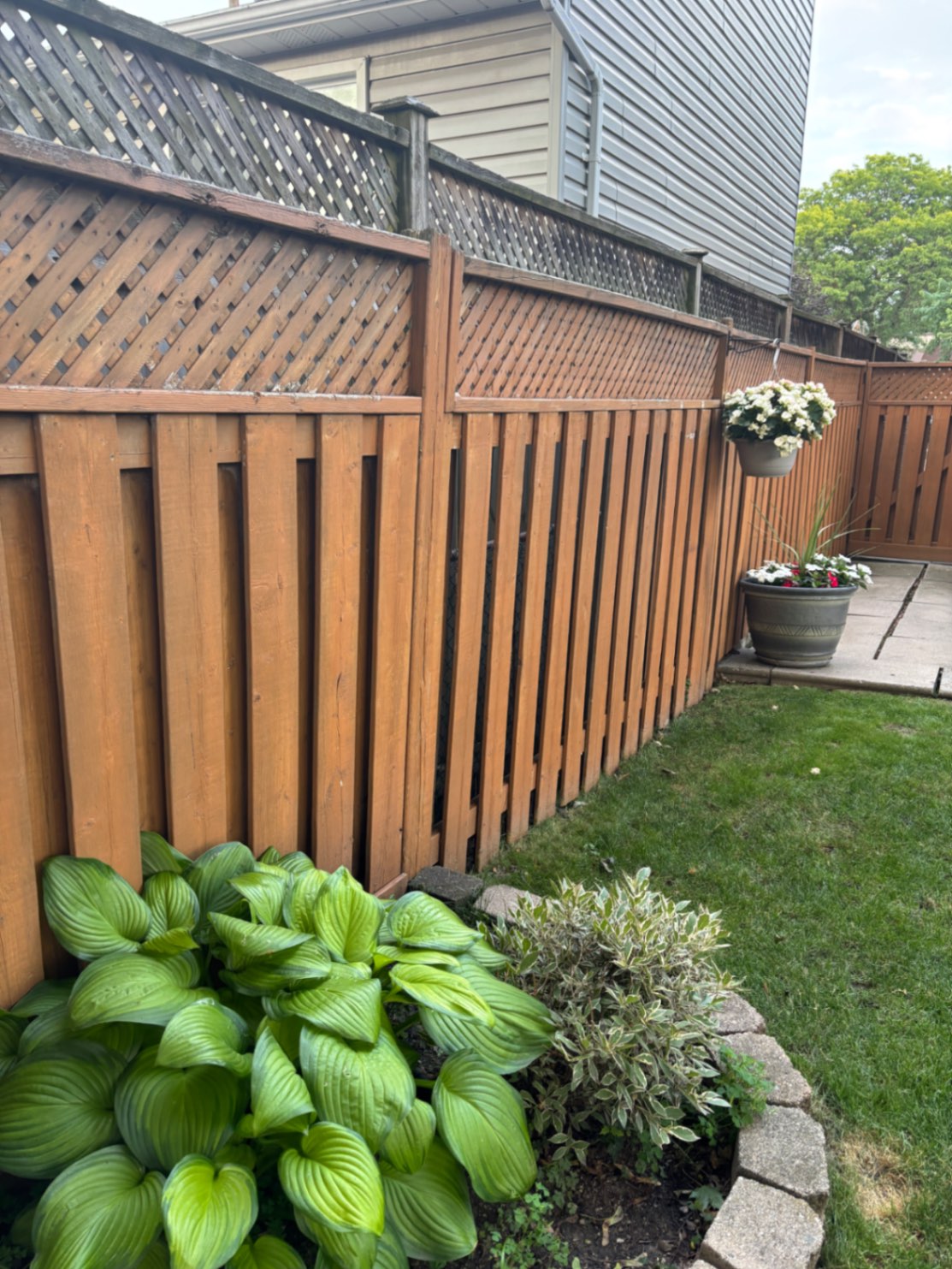
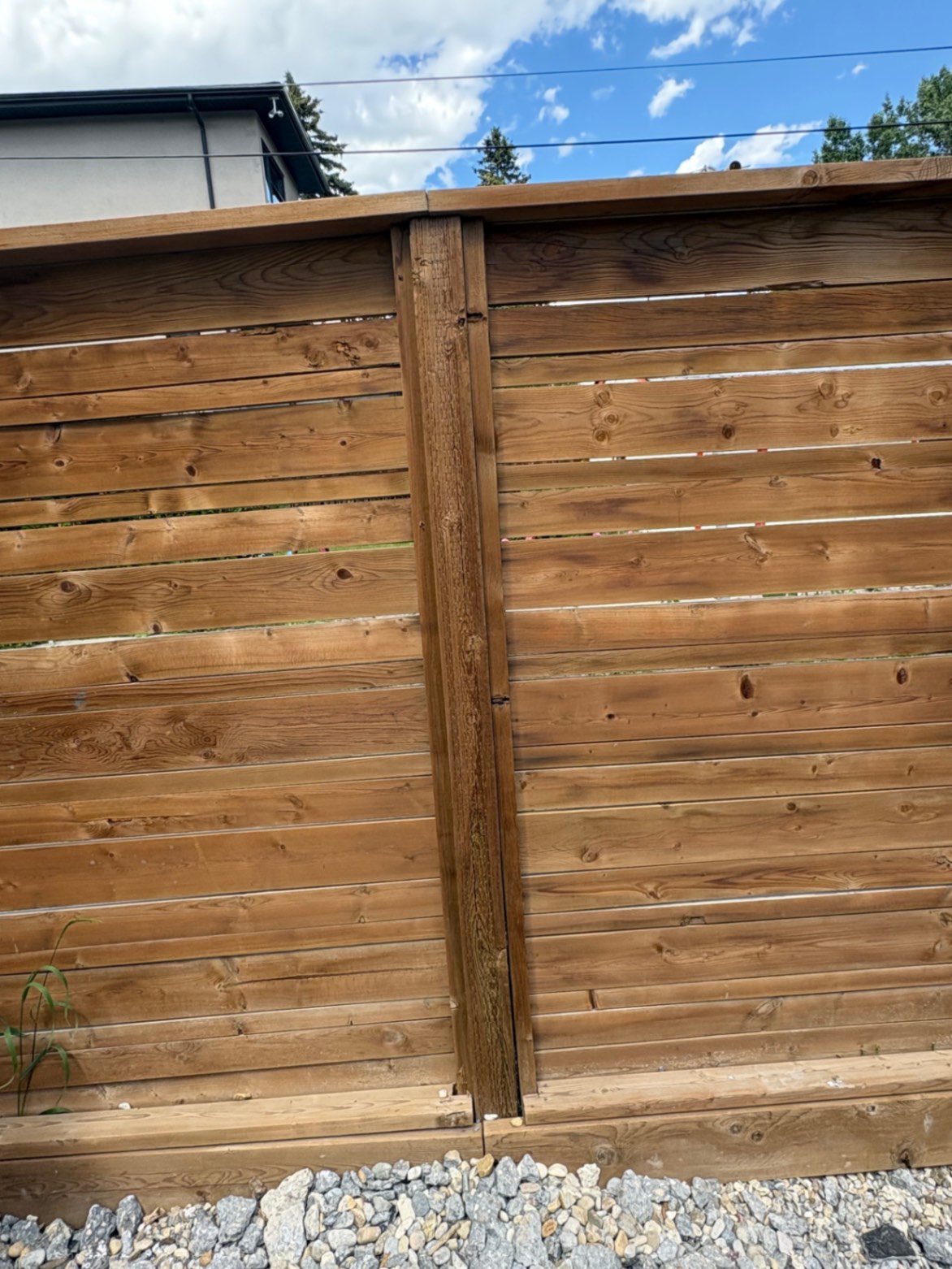
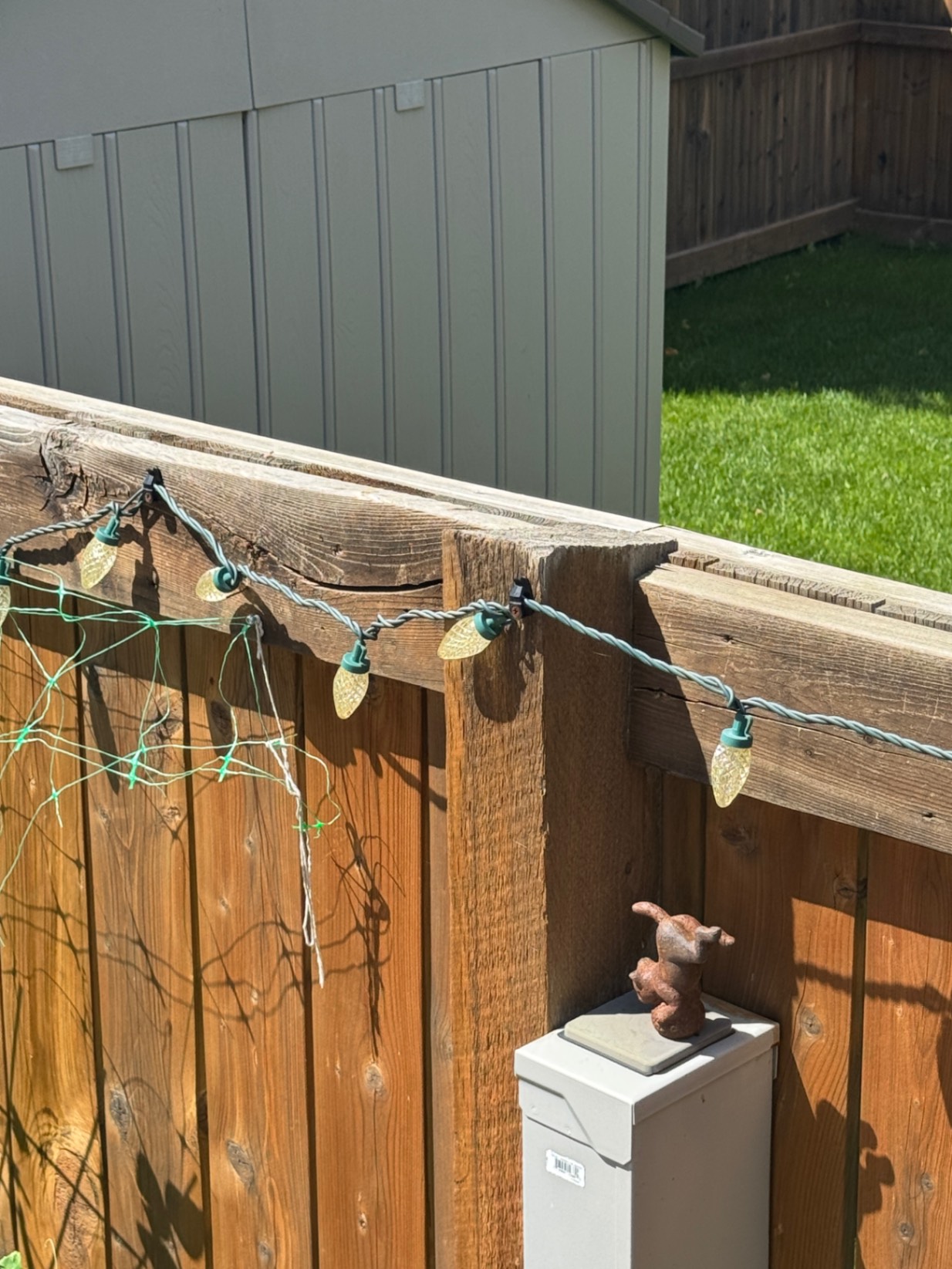
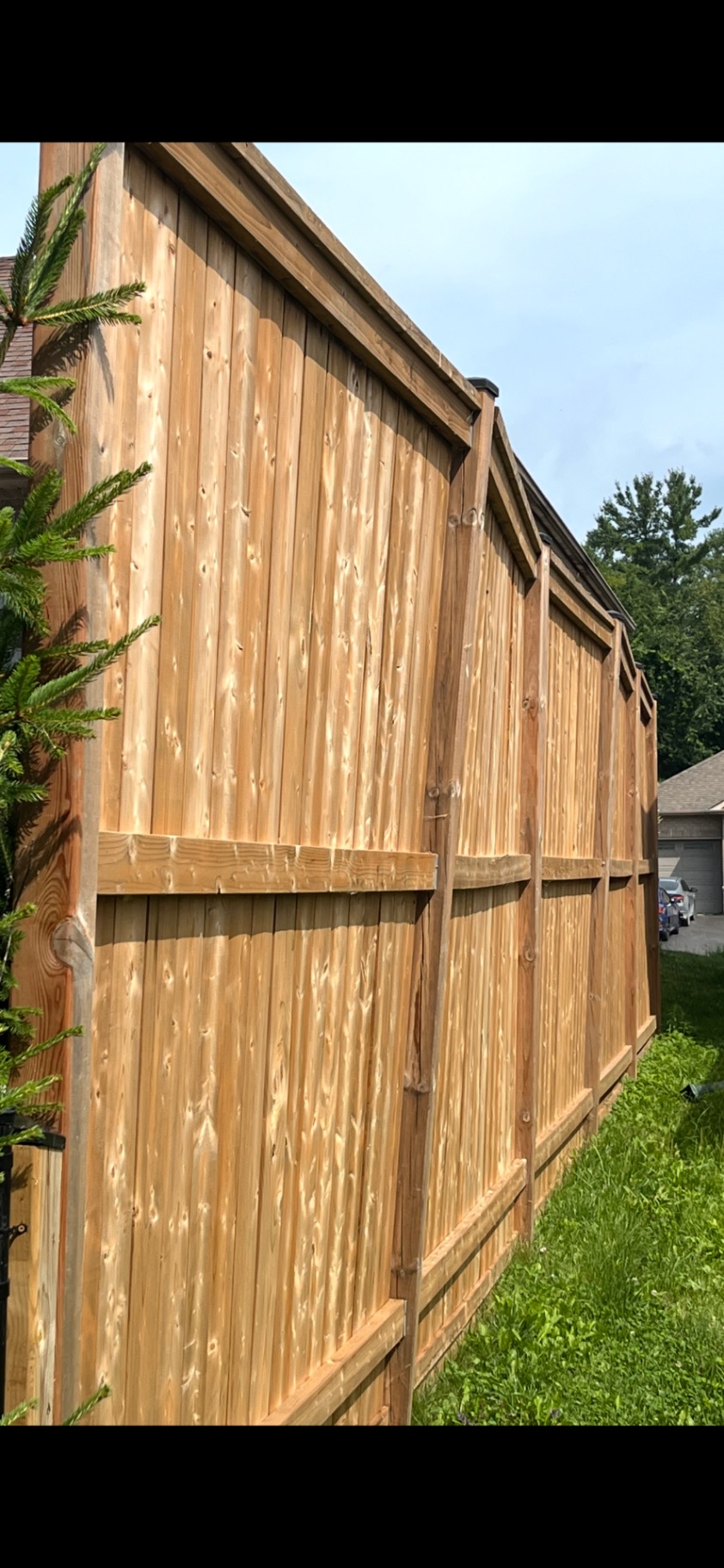
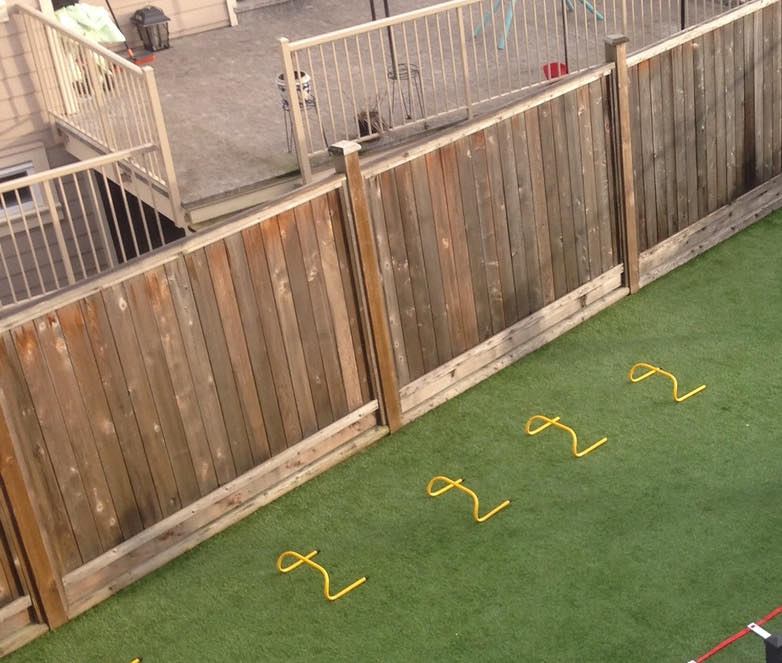
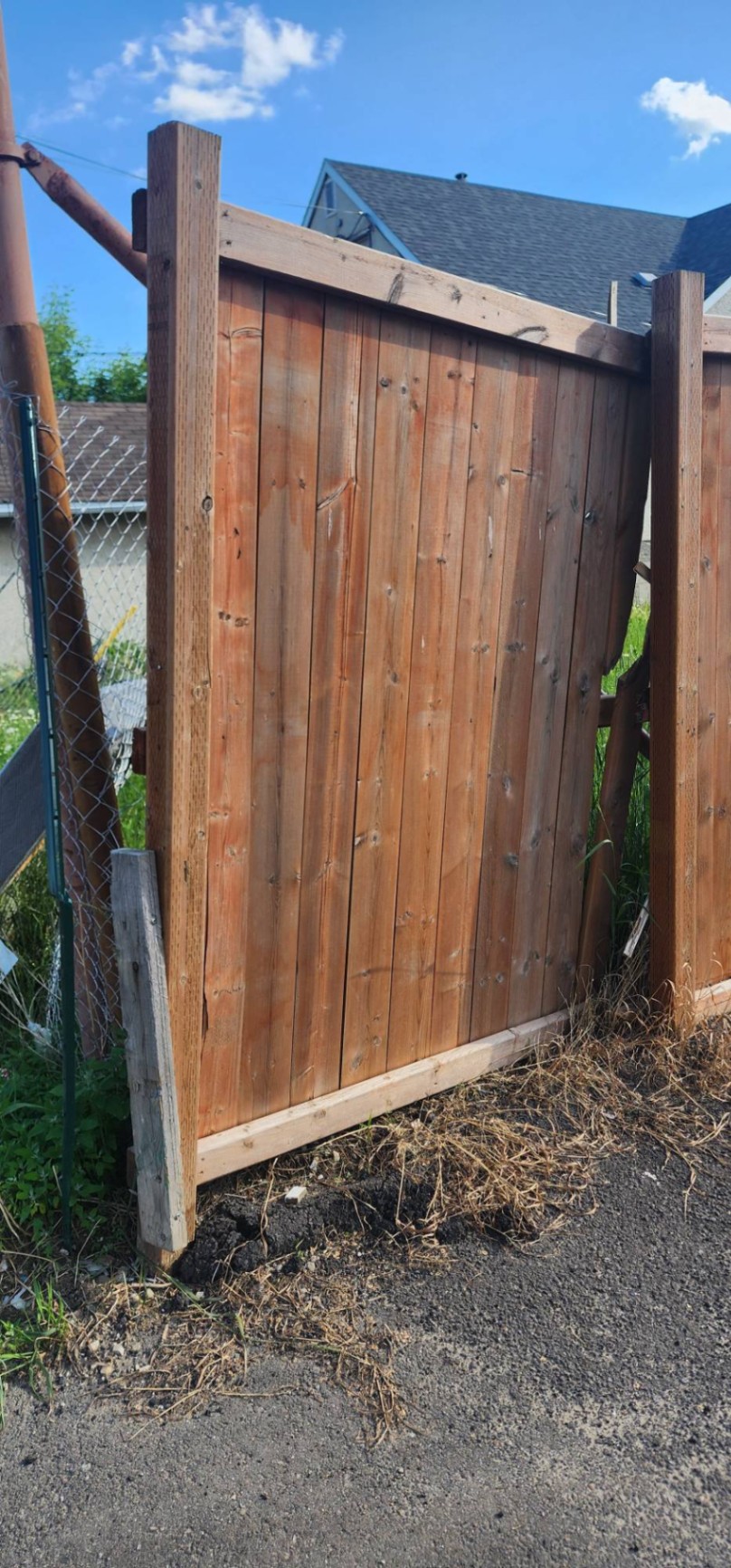
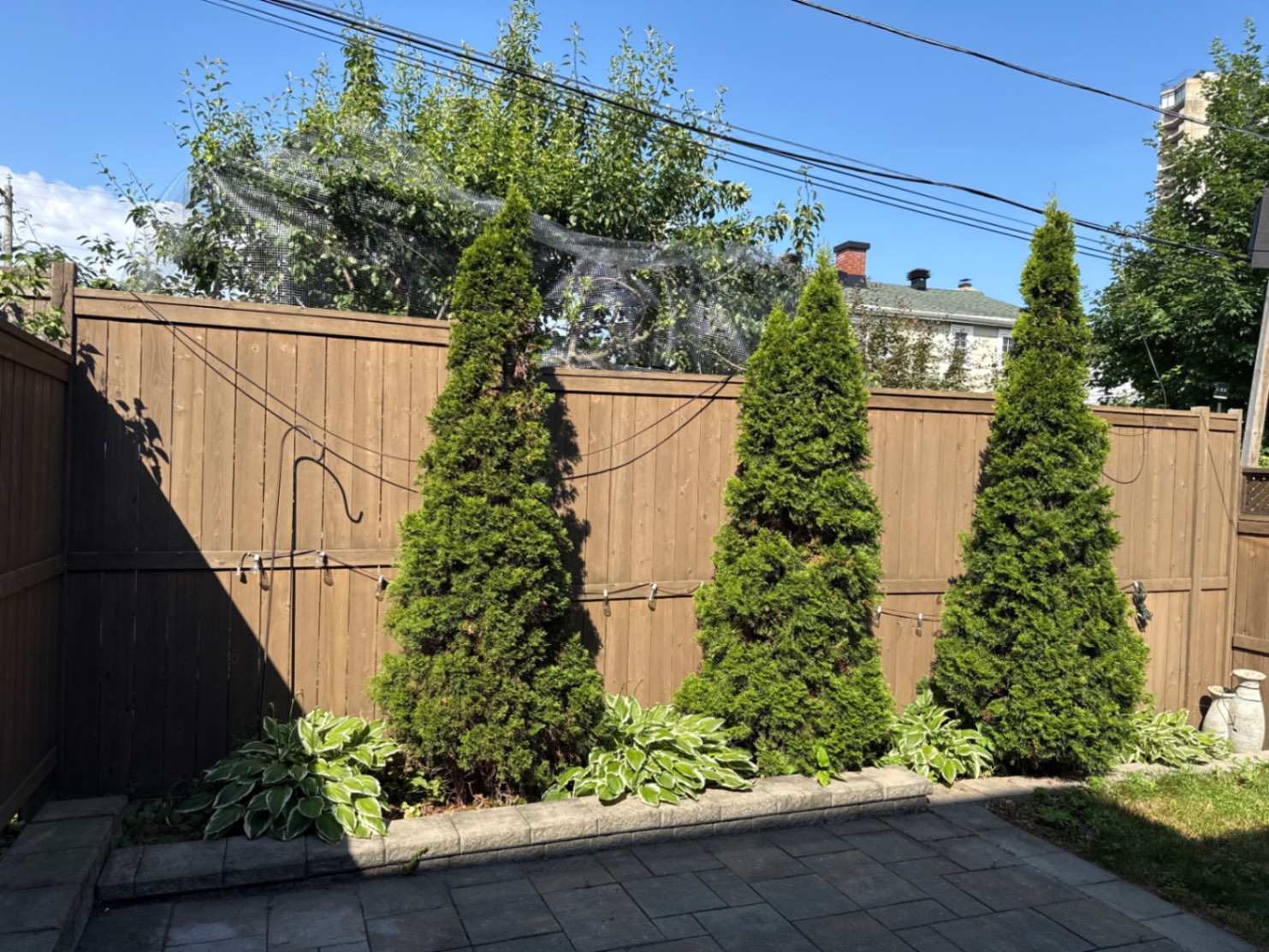
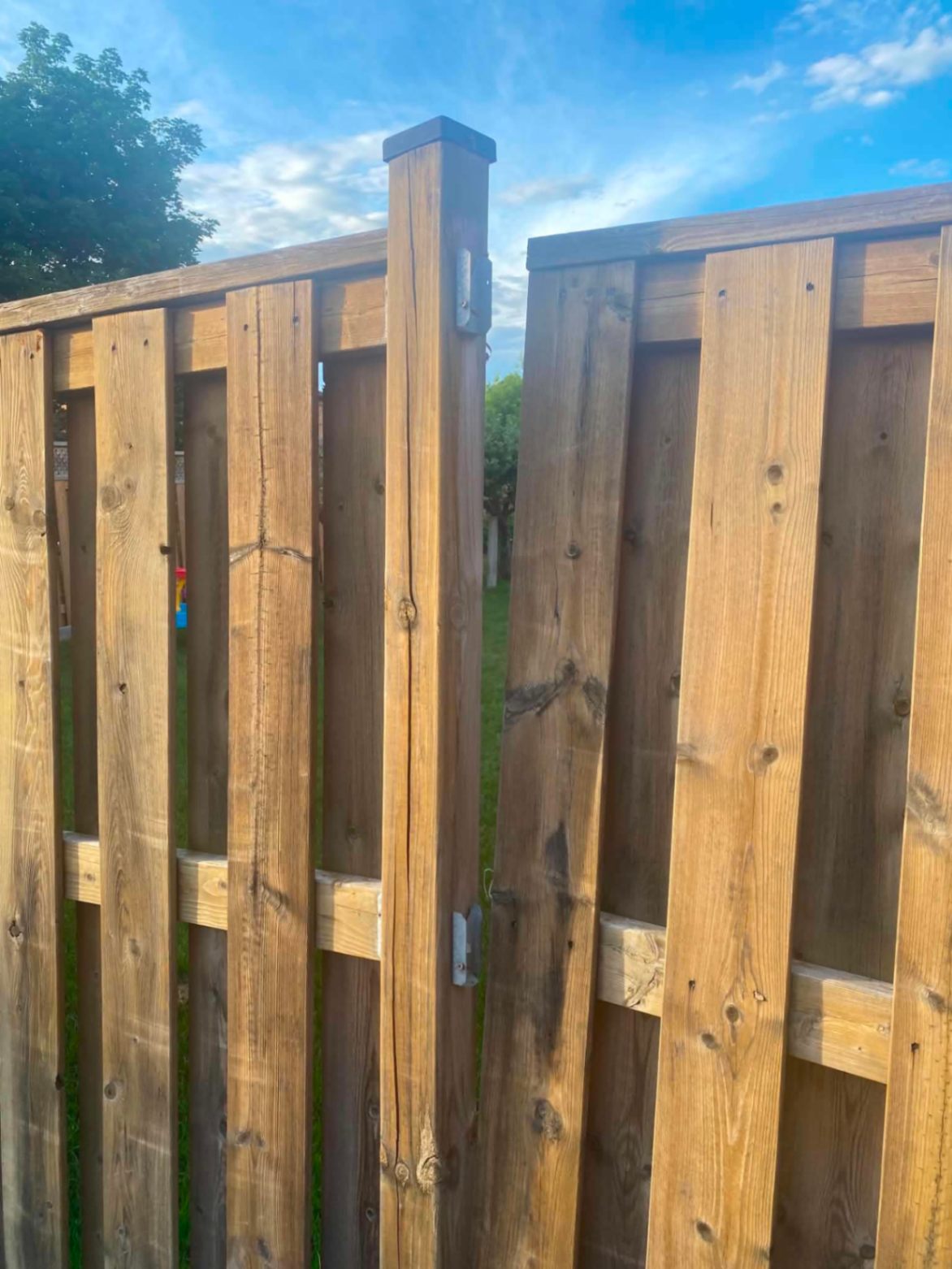
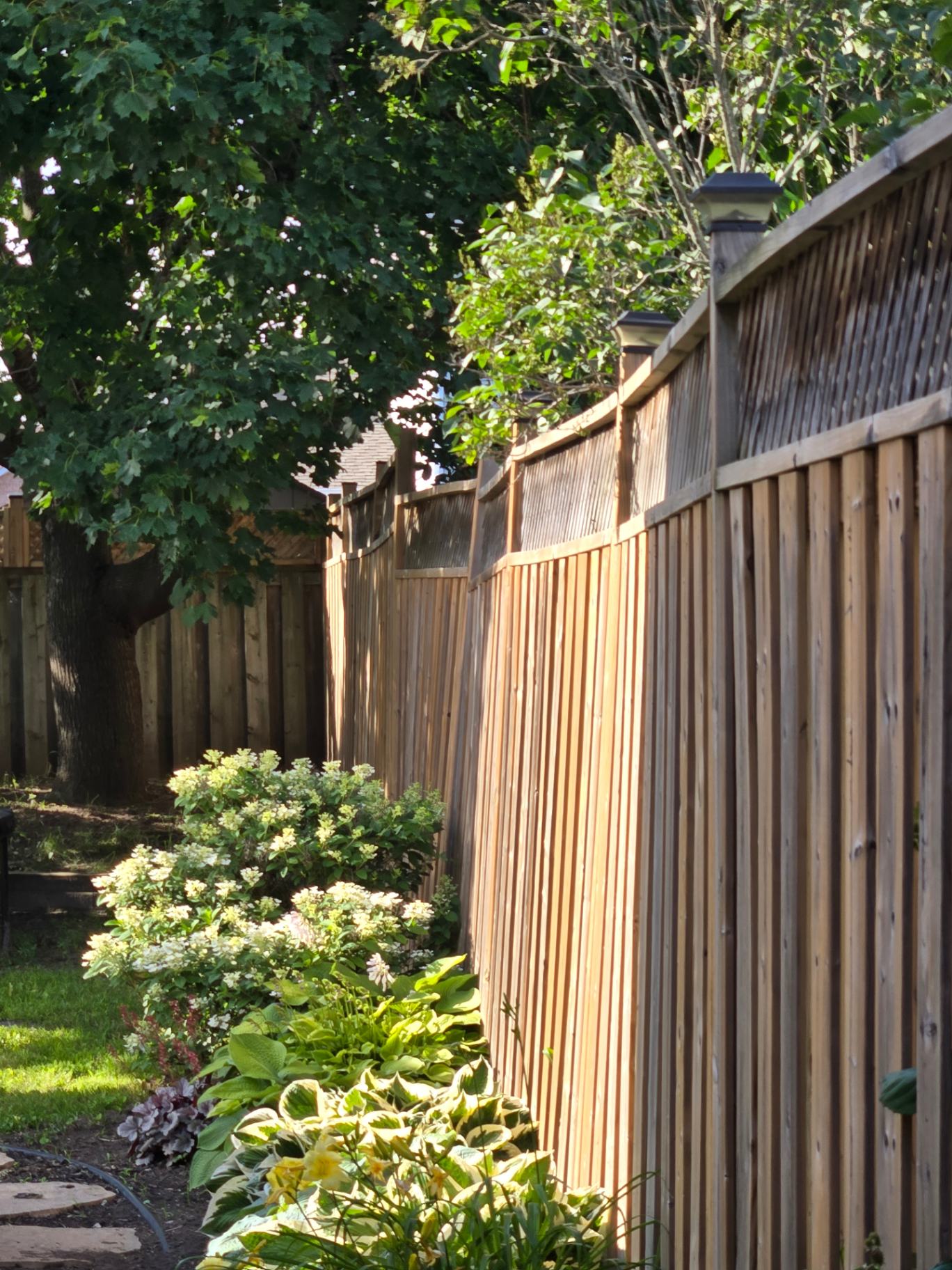
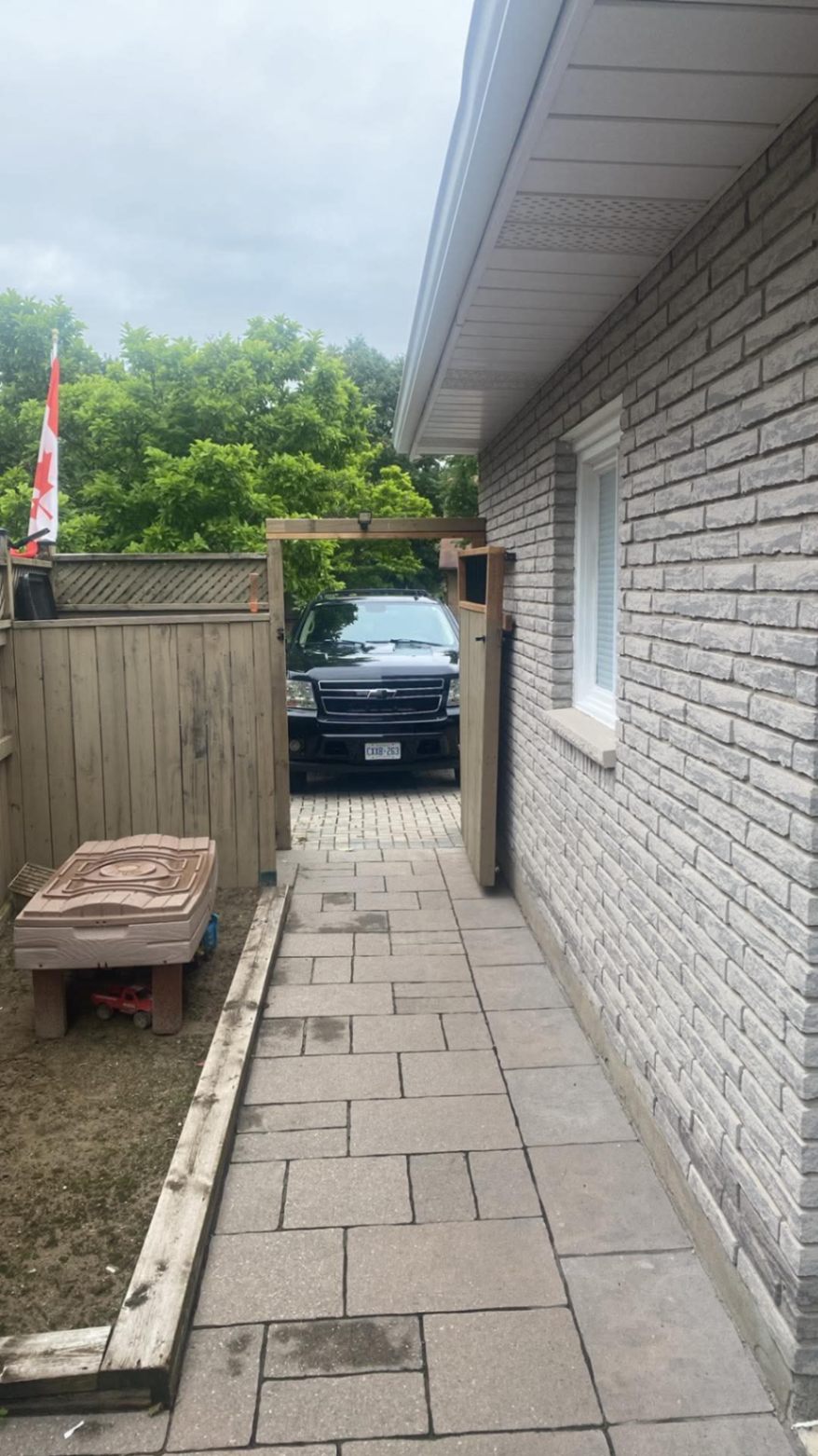
What a 8–15 years-old failing fence looks like — 10 examples from the sample
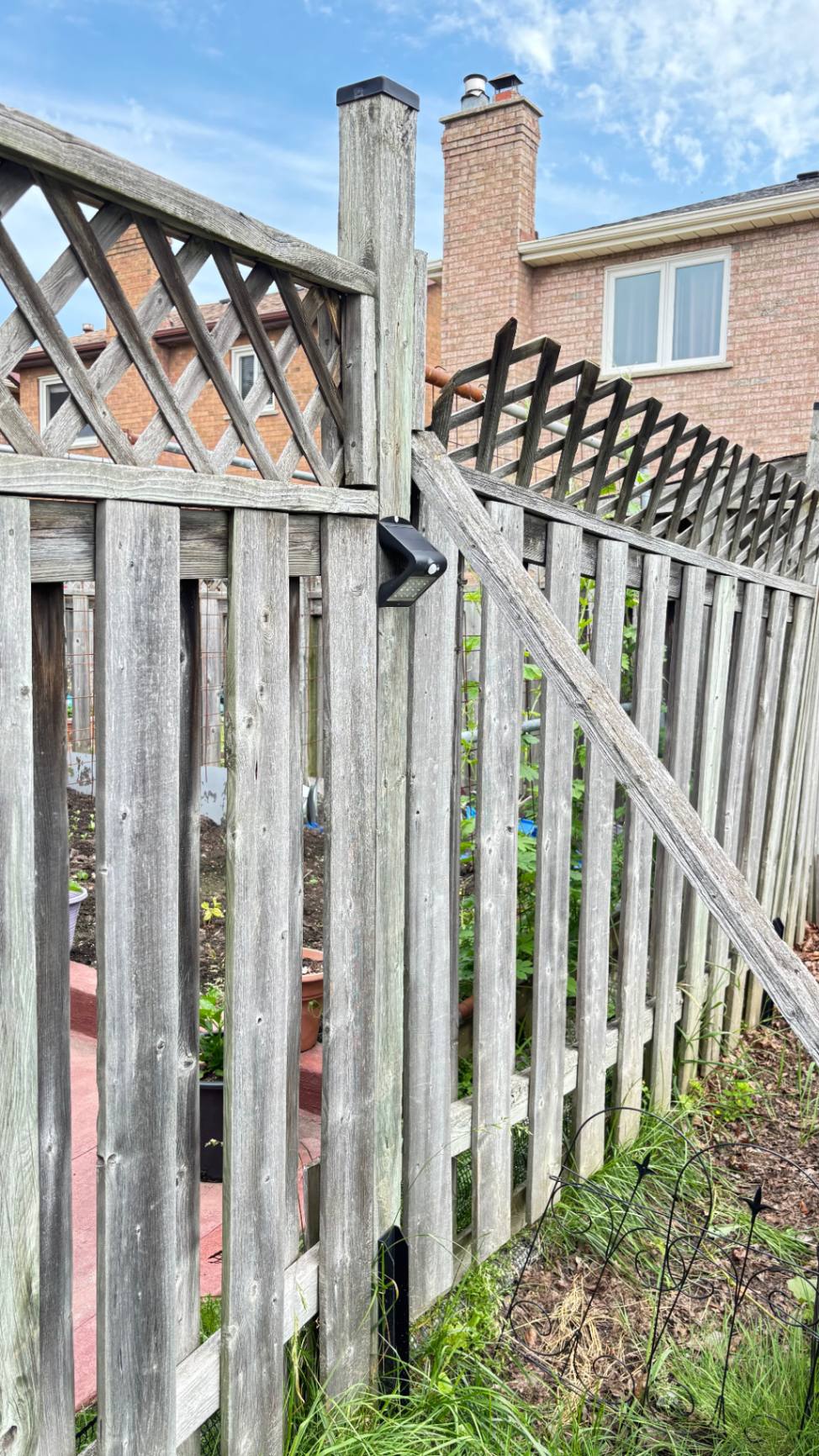
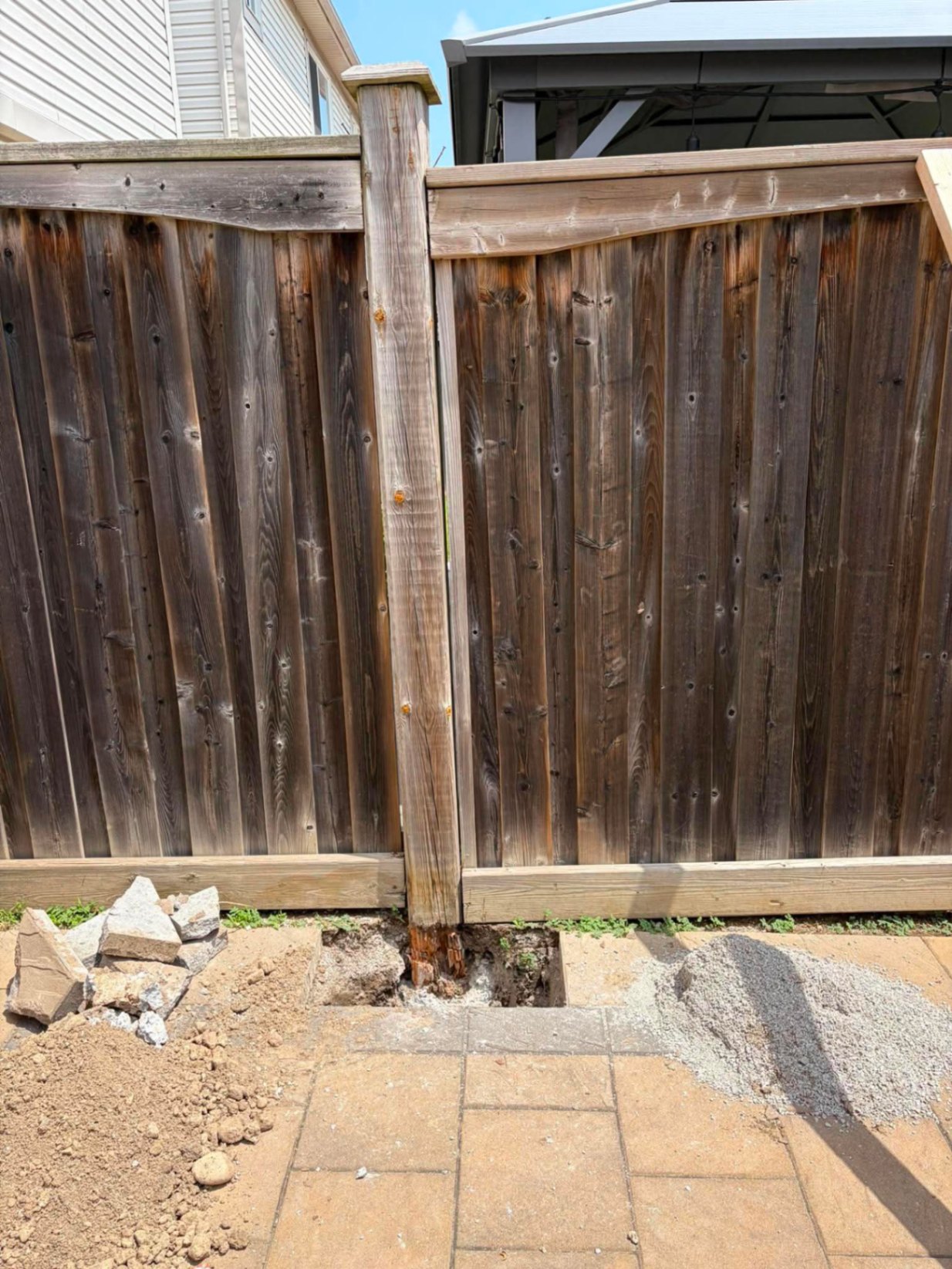
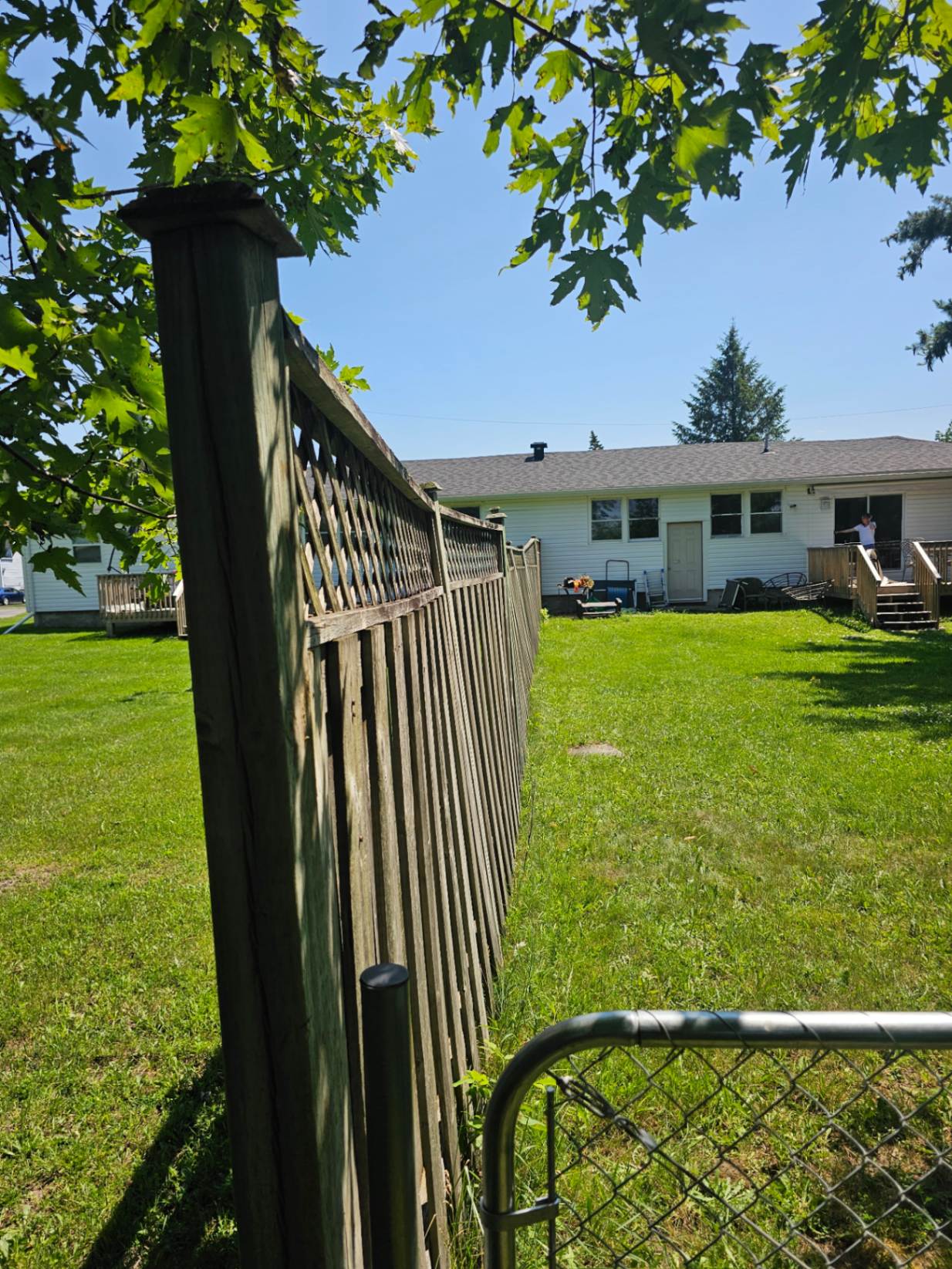
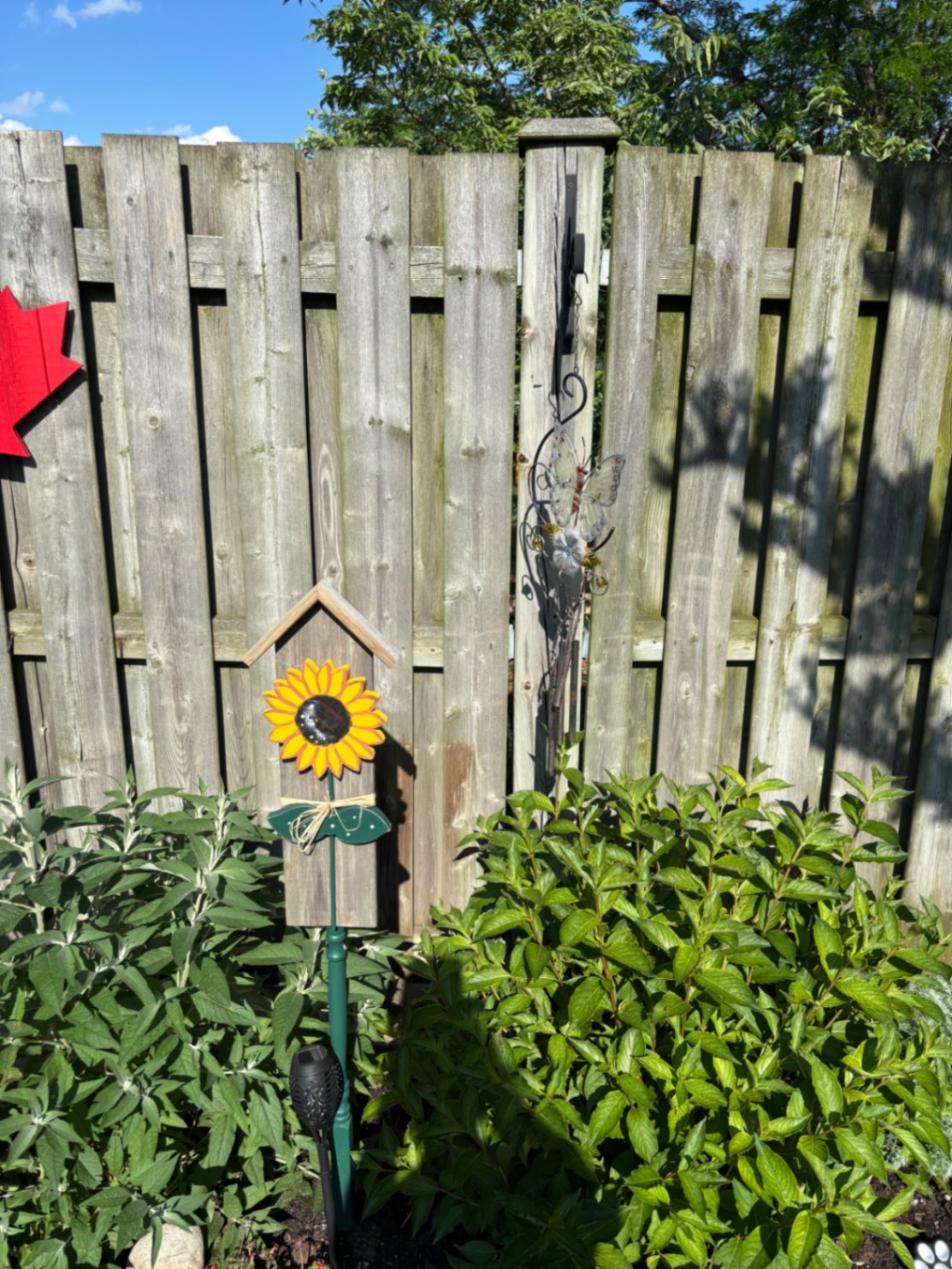
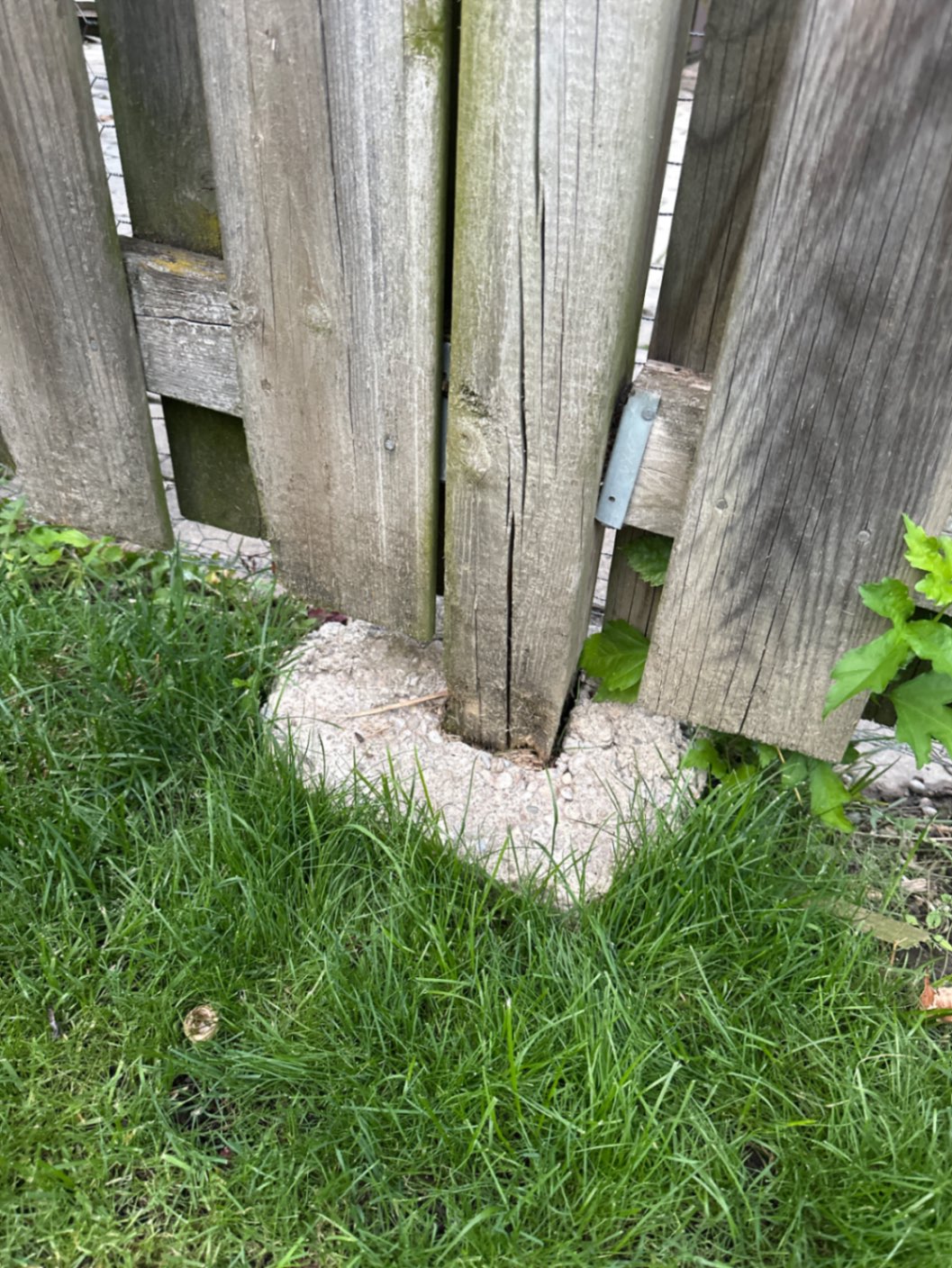
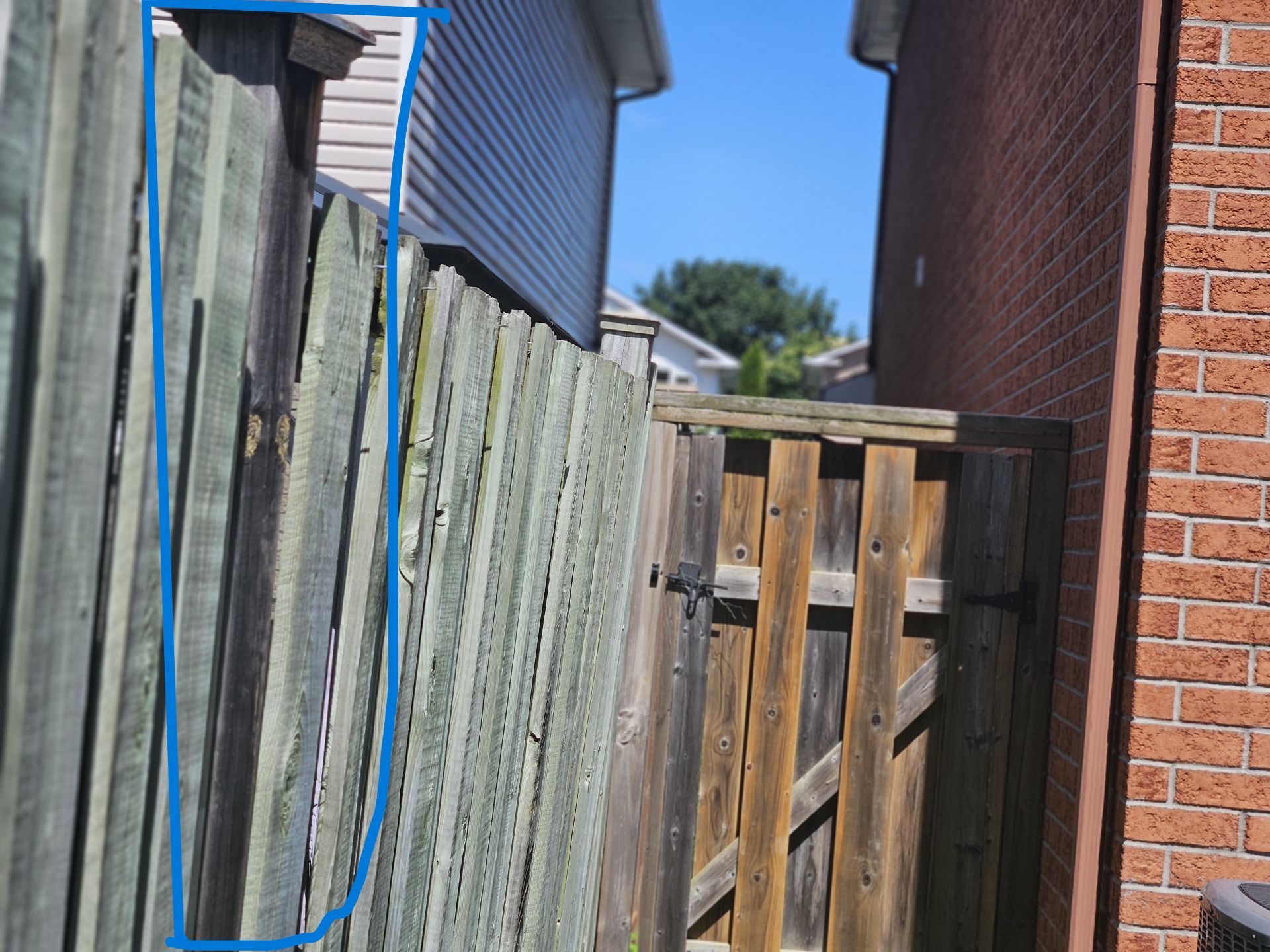
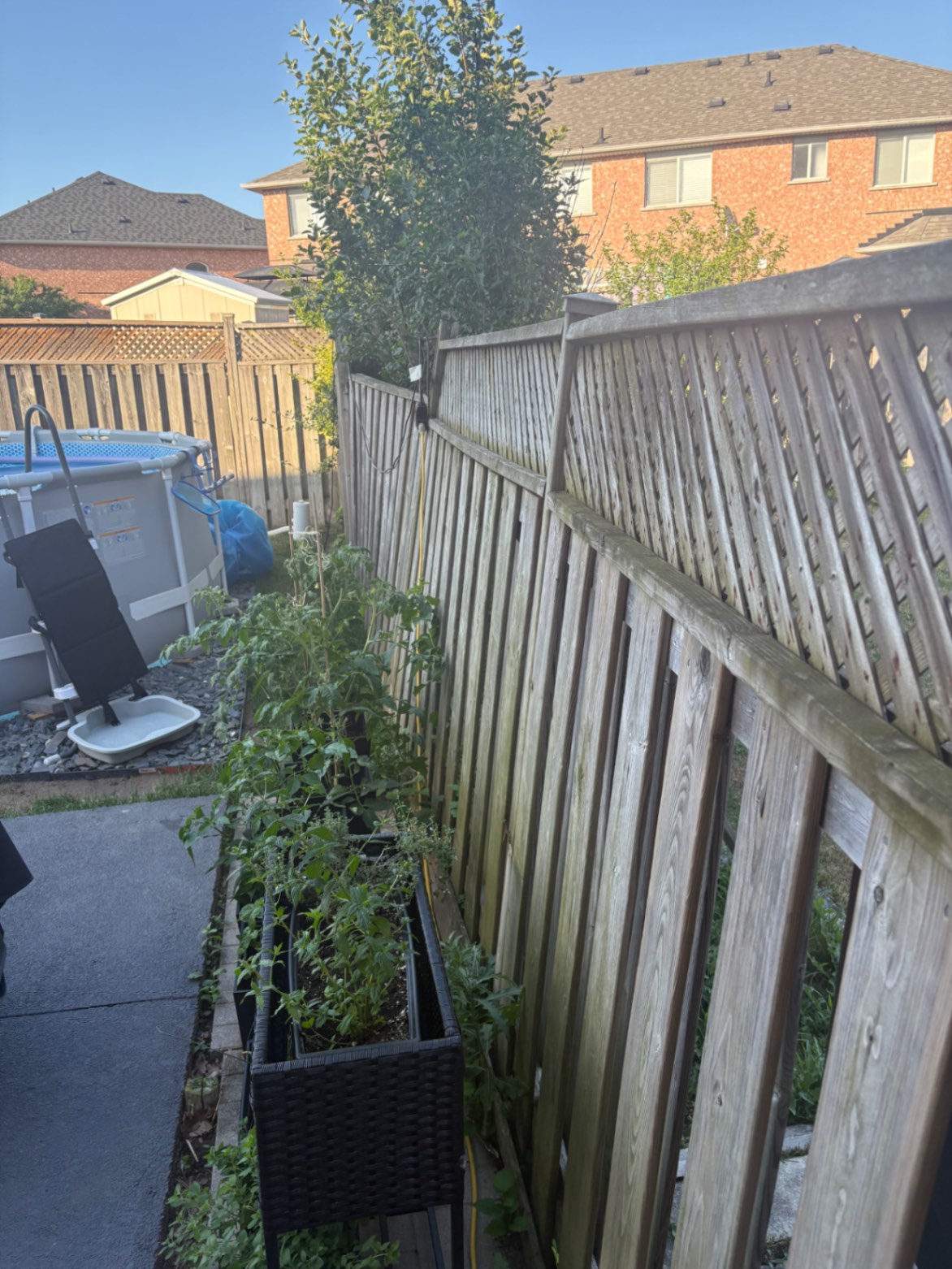
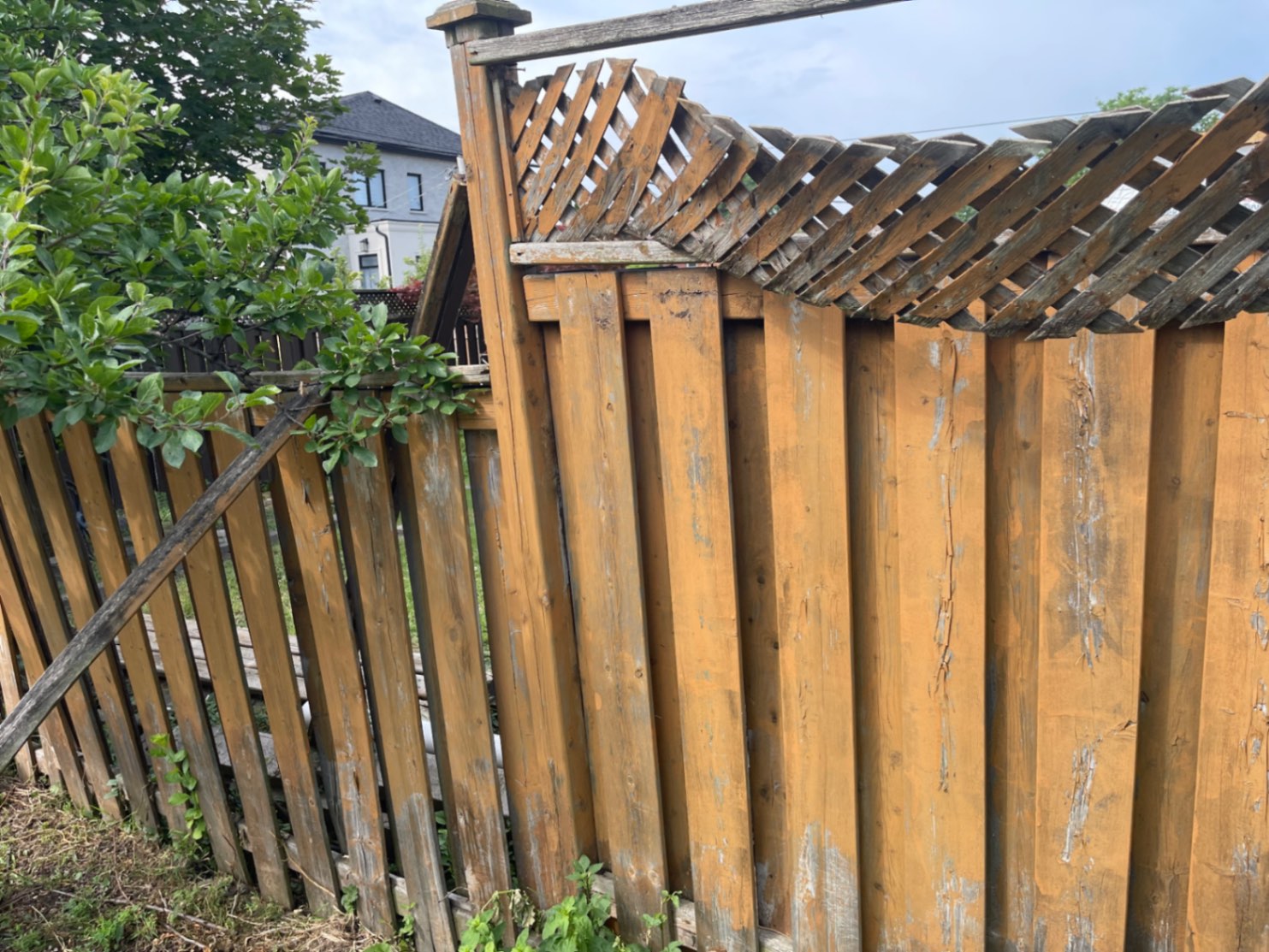
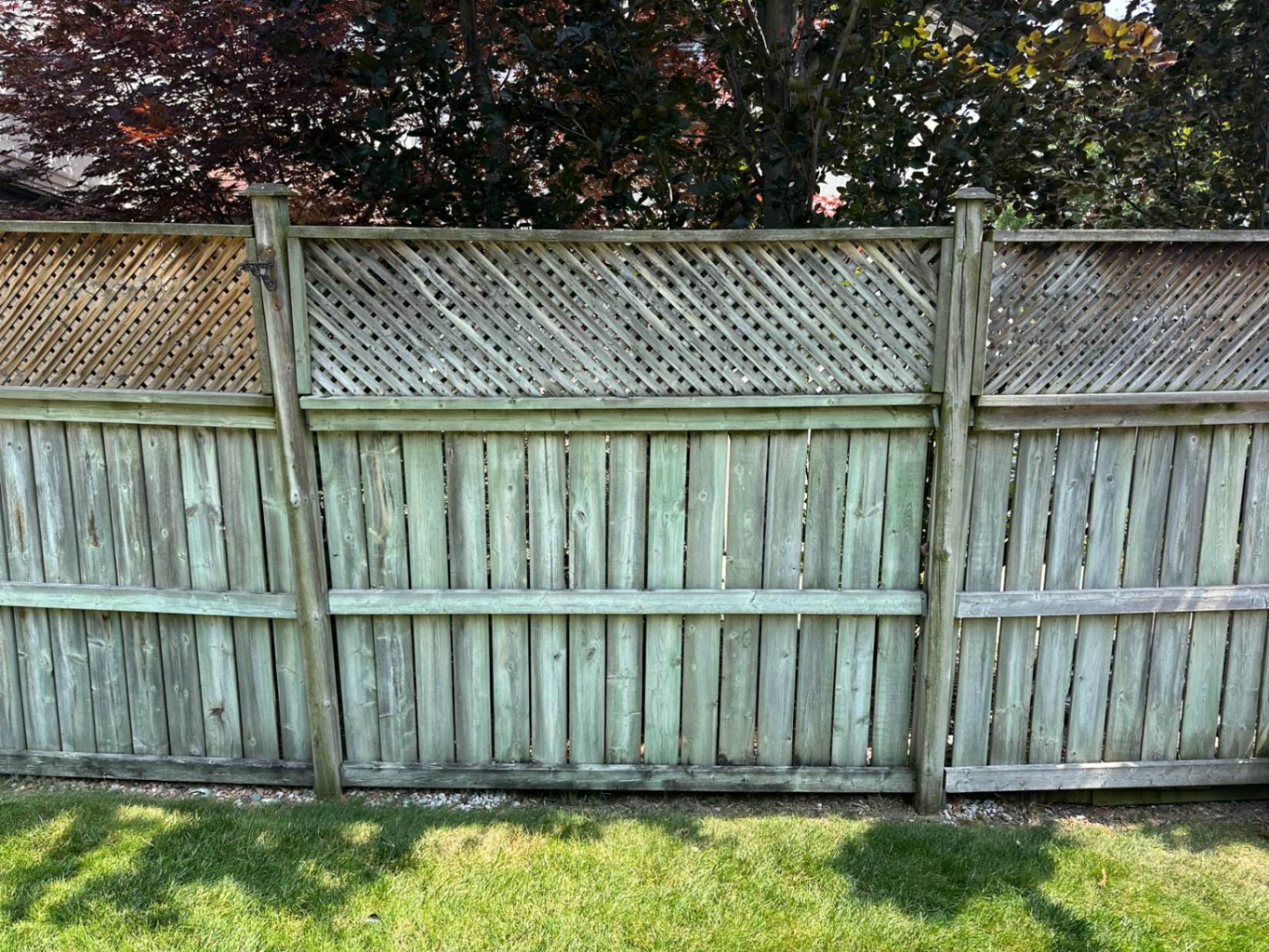
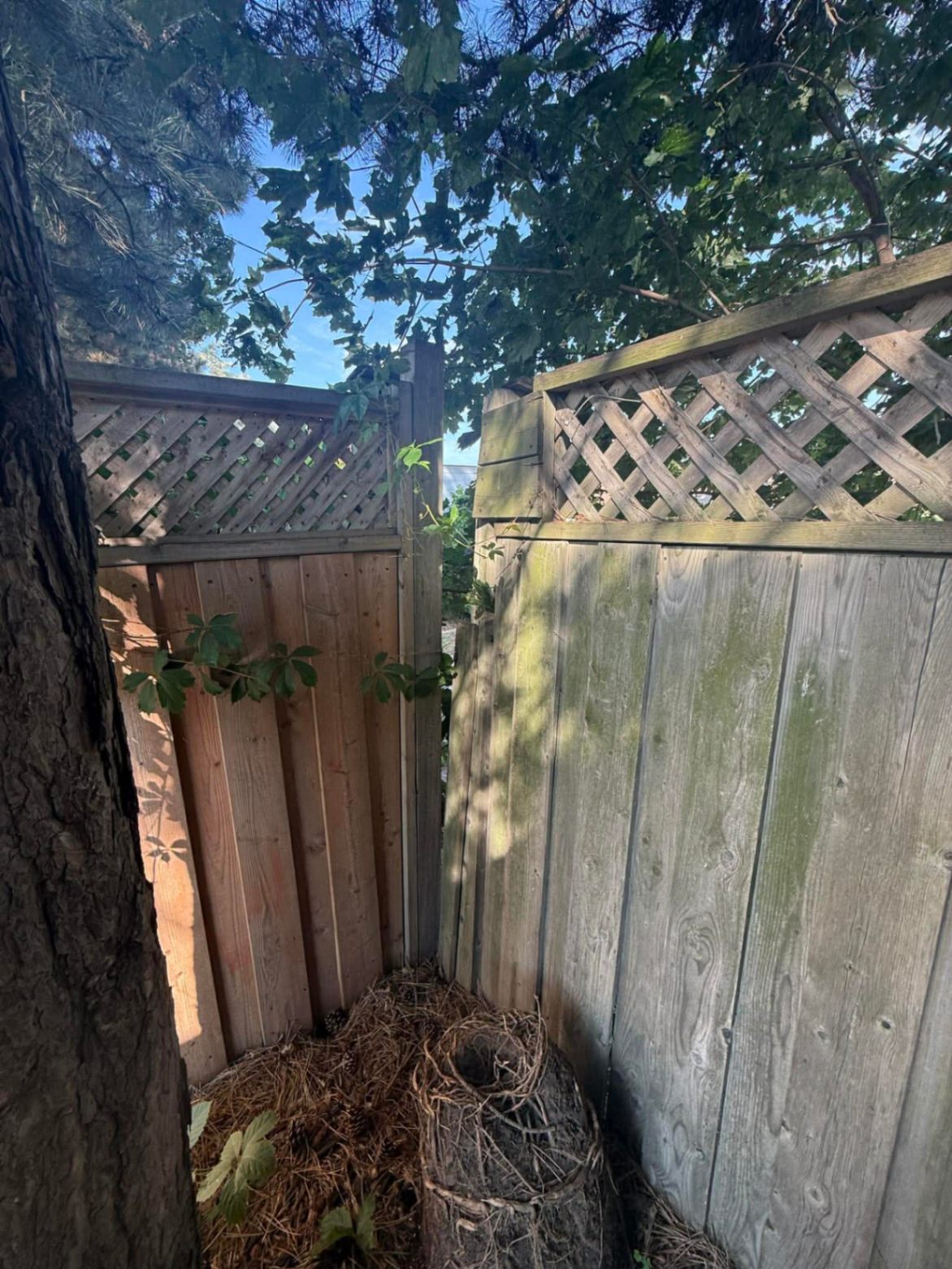
What a 15+ years-old failing fence looks like — 10 examples from the sample
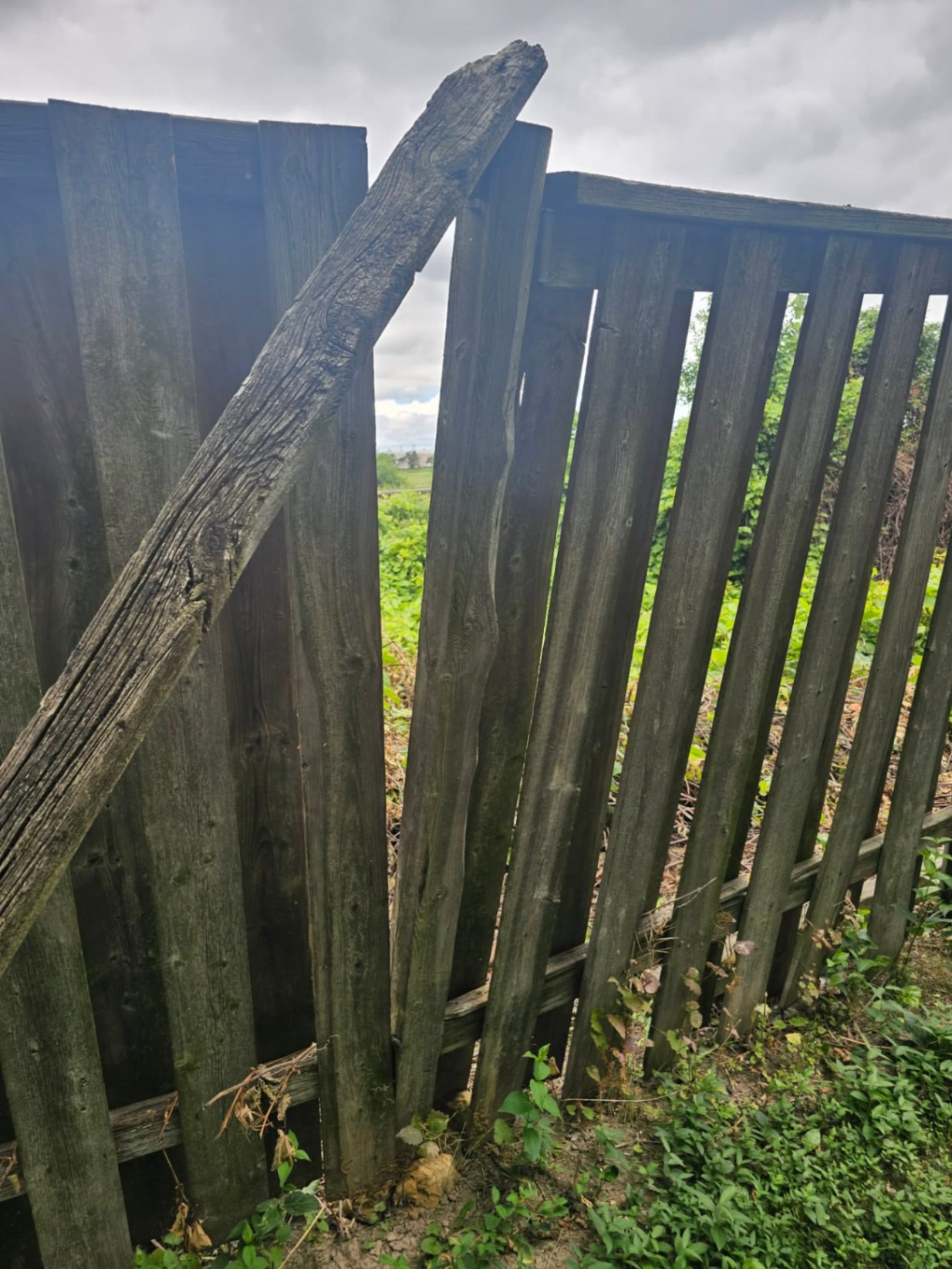
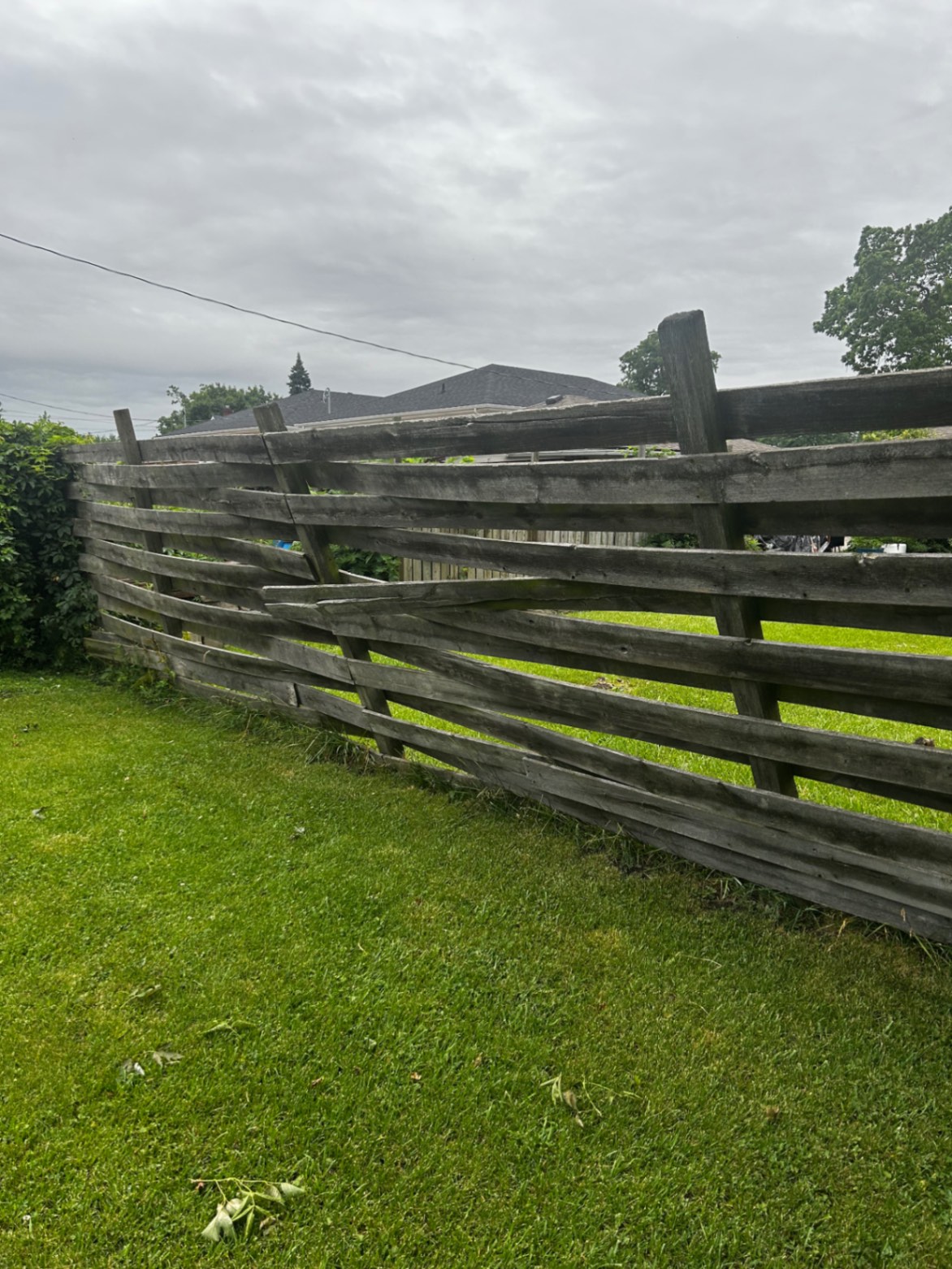
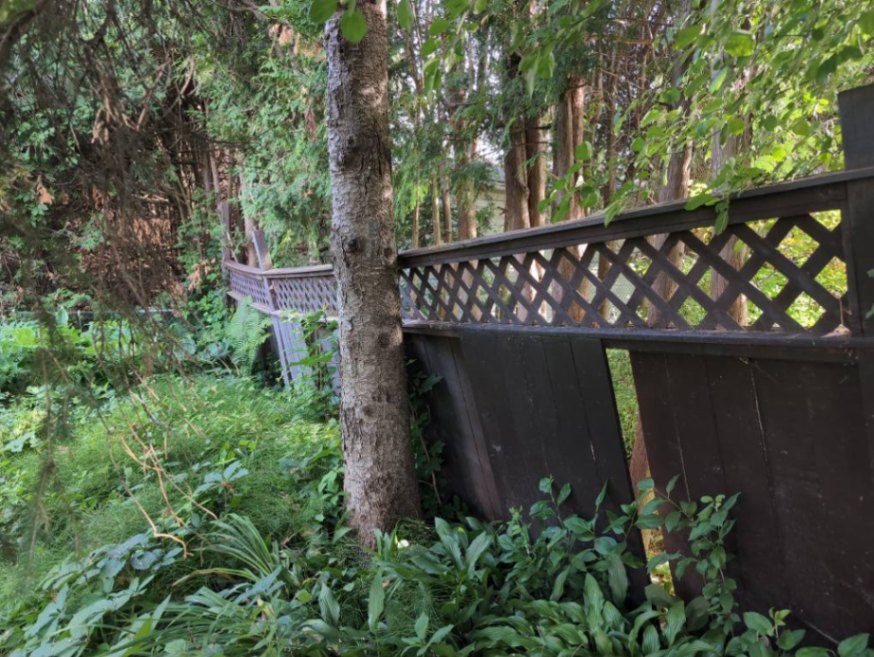
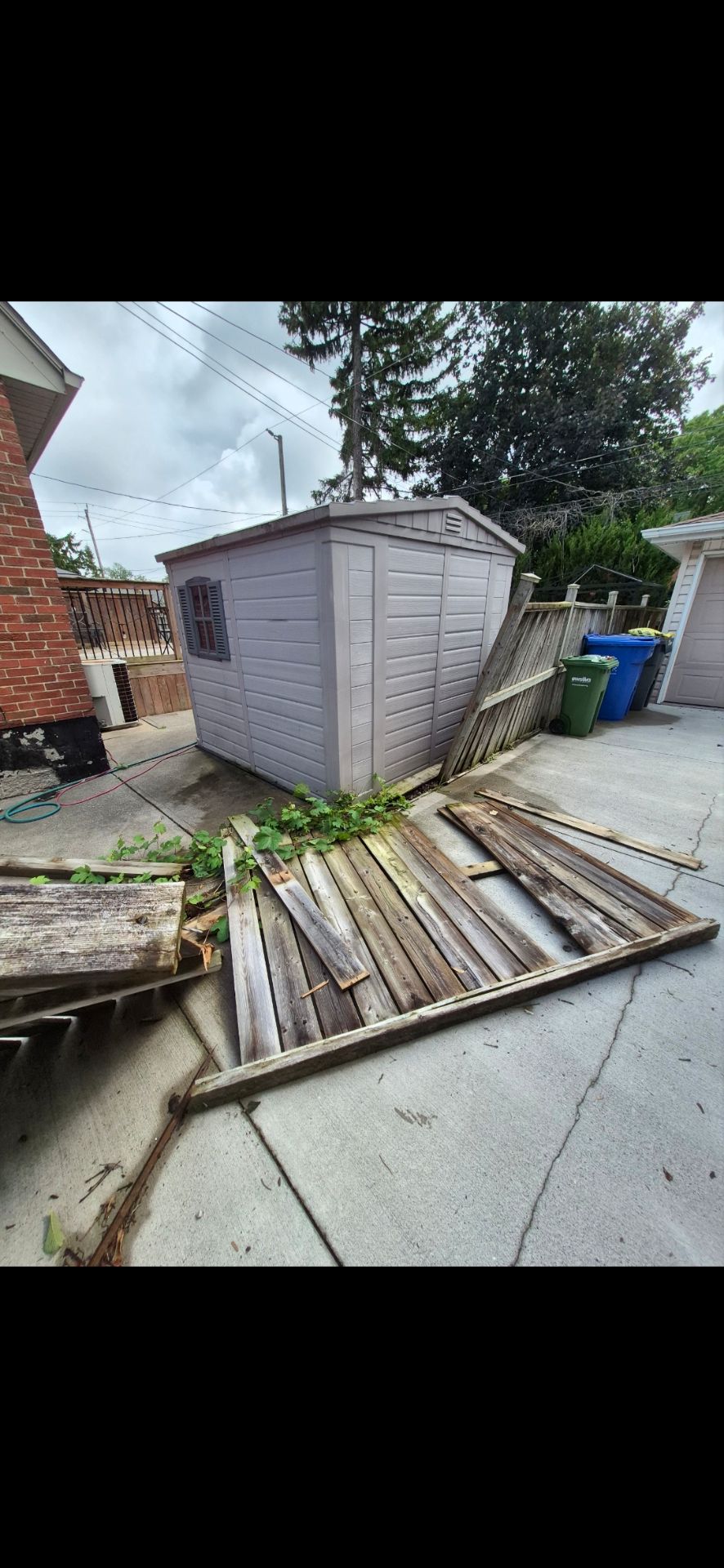
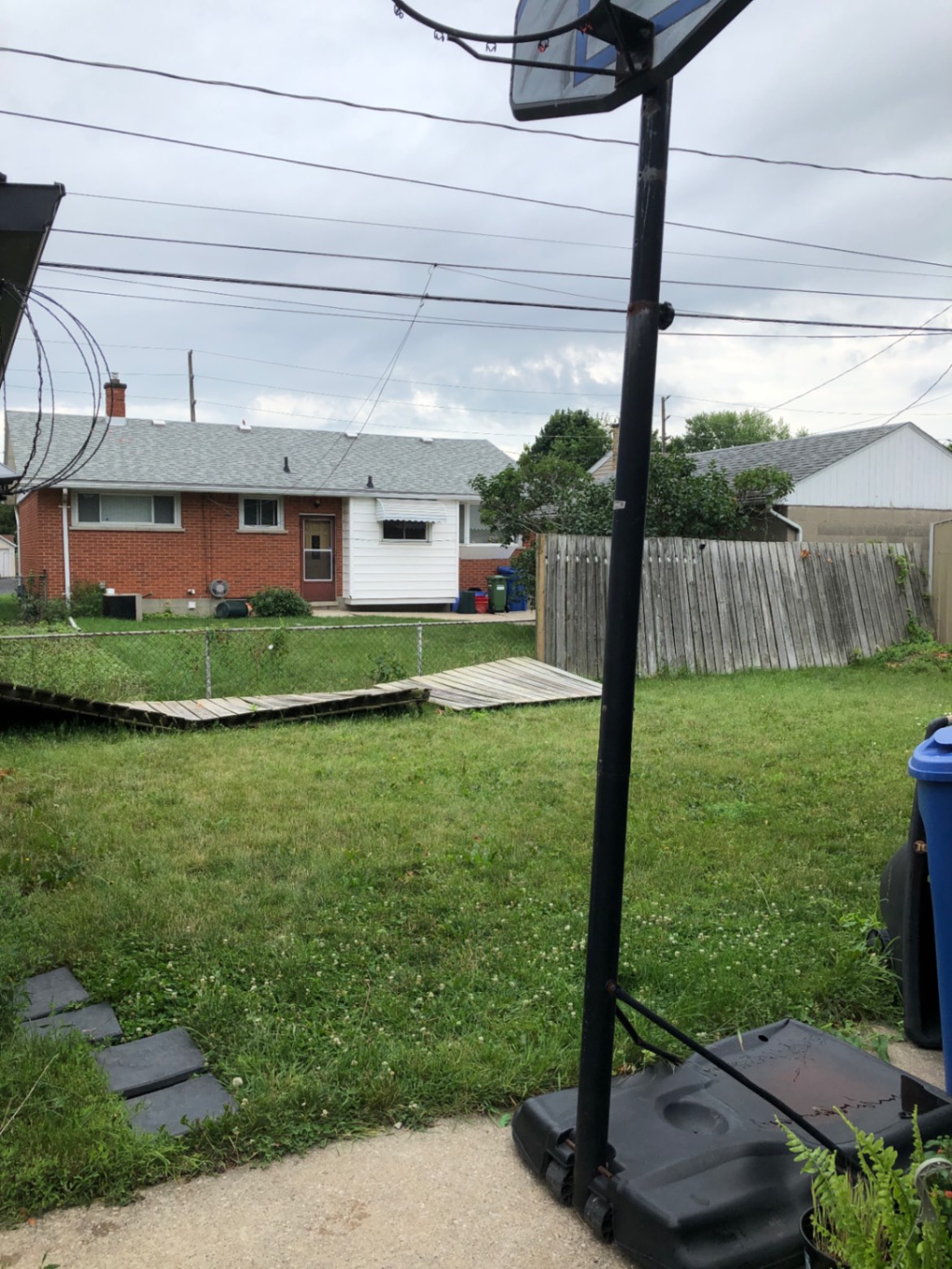
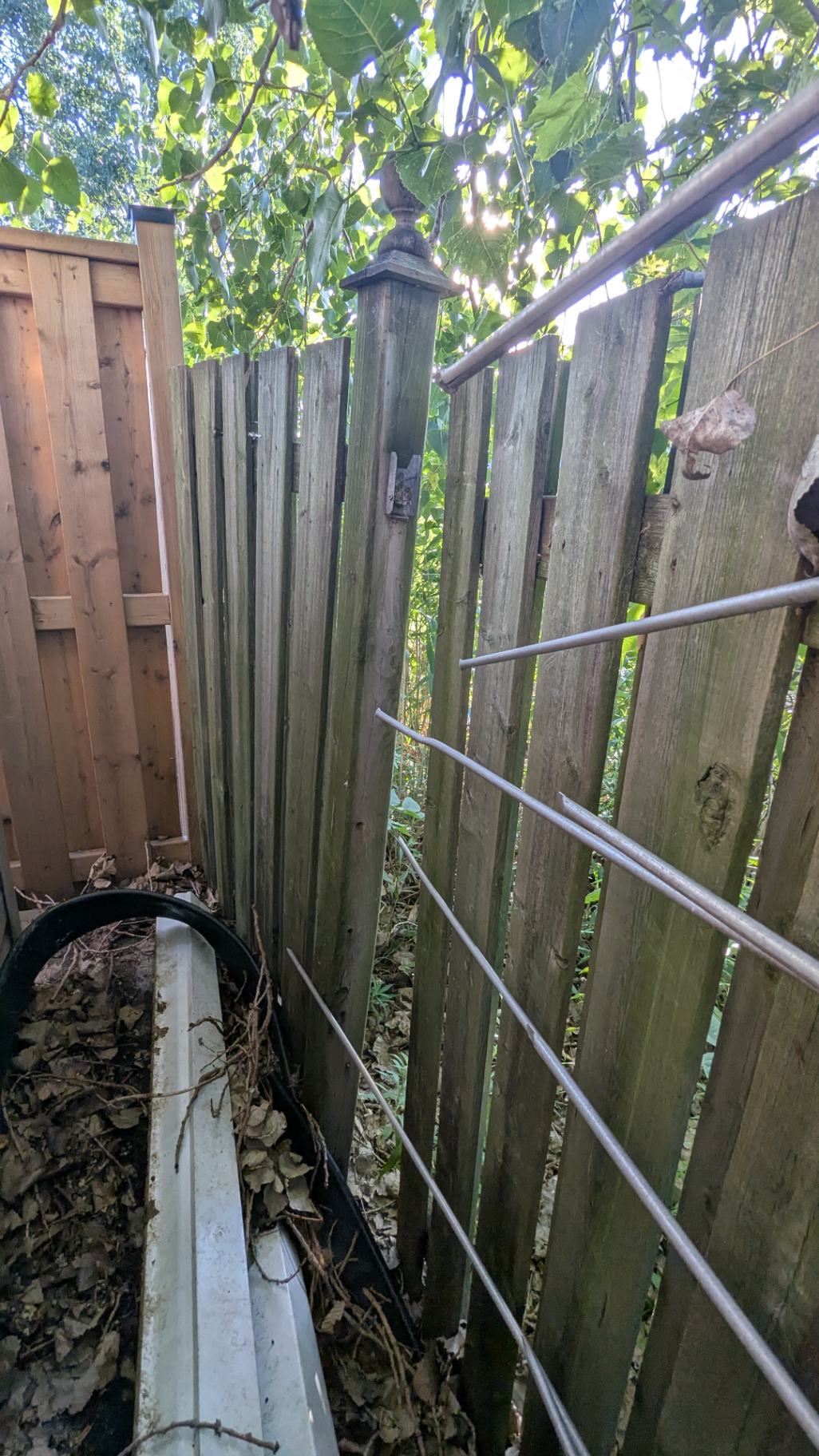
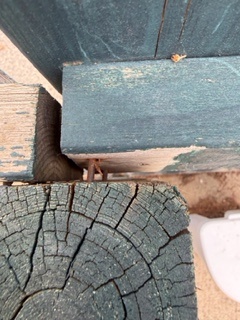
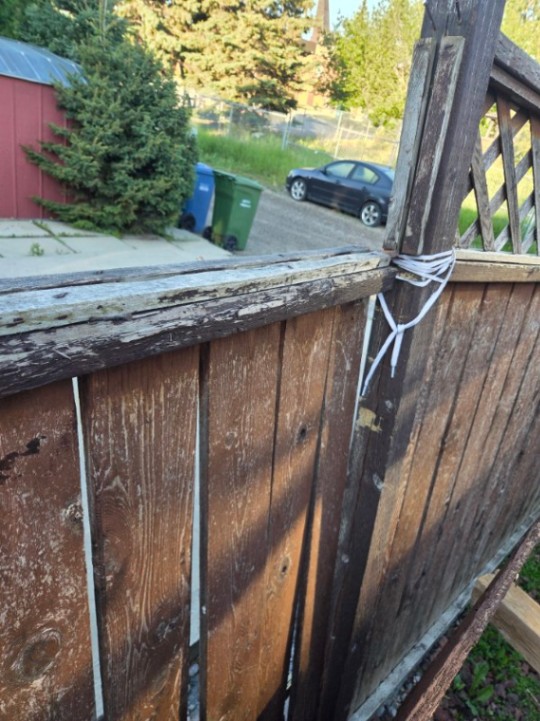
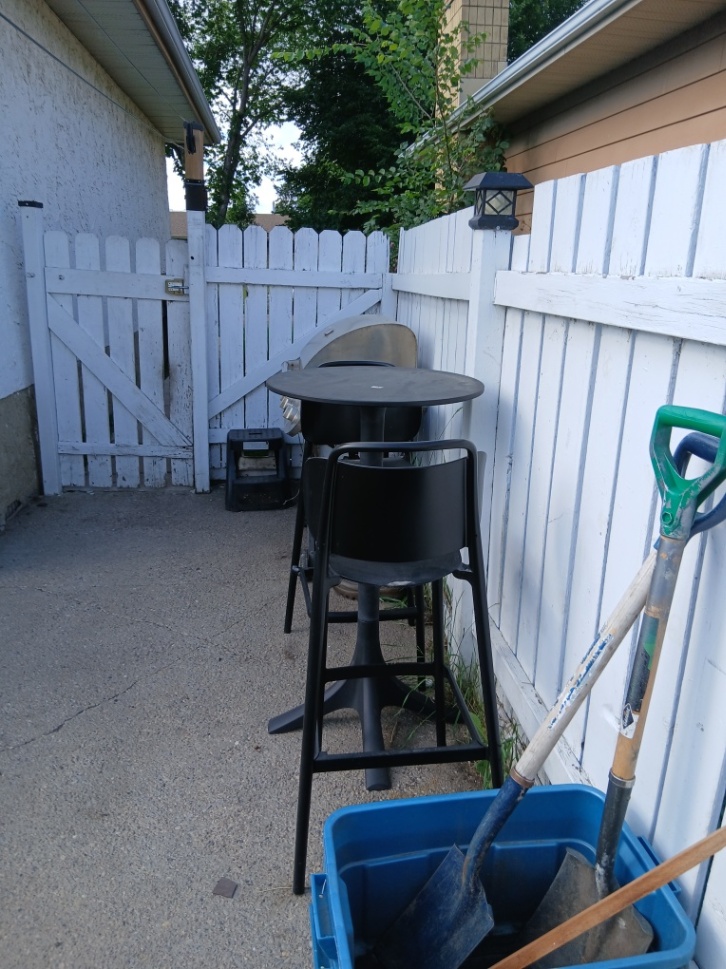
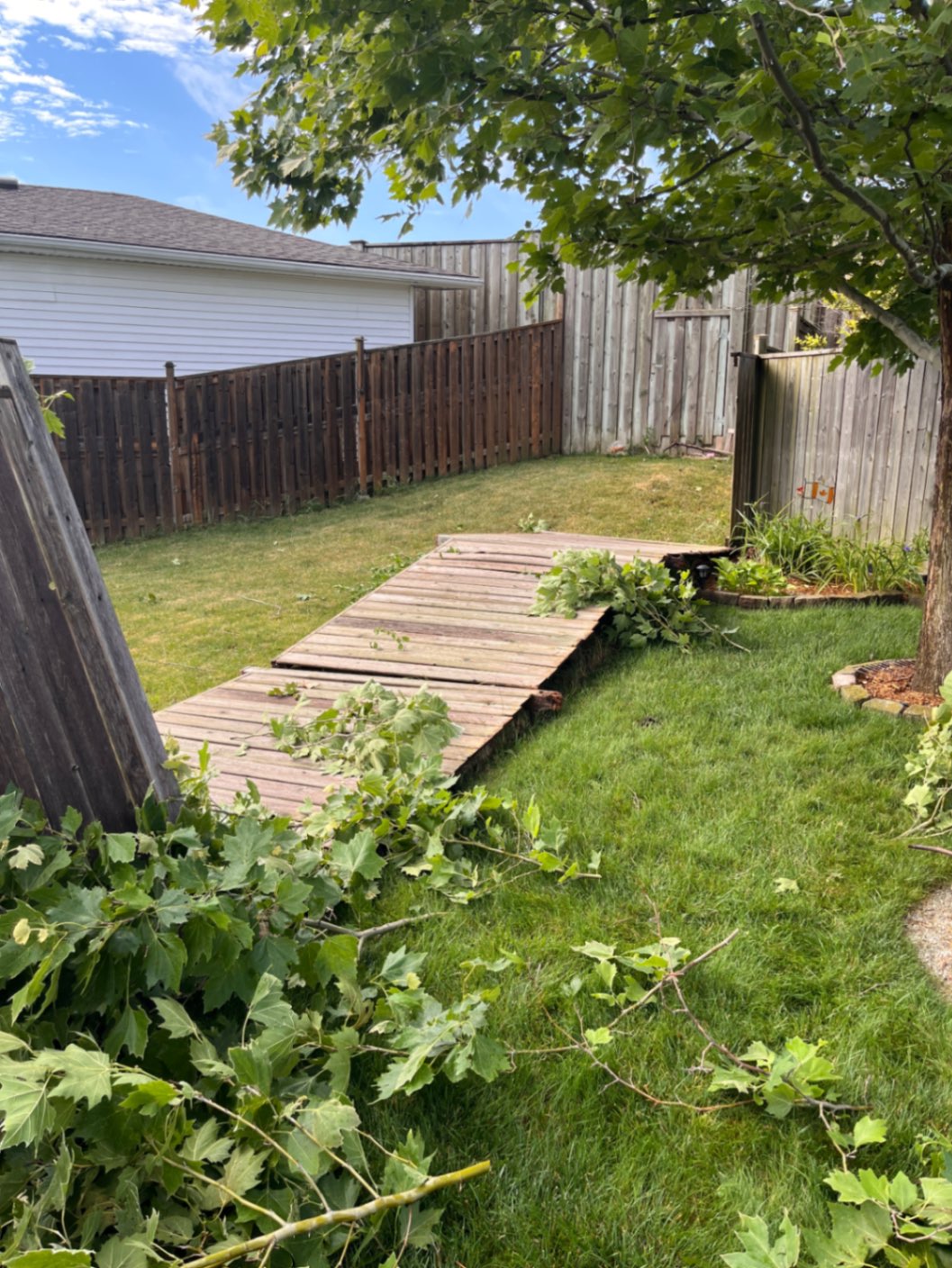
Customer-submitted photographs from real quote requests; locations and identities are not disclosed.
6. Fifteen trees per fence: the environmental cost of the replacement reflex
A standard 180-foot, six-foot-high privacy fence contains roughly 1,808 board feet of lumber. Accounting for real-world milling losses and usable yield, that works out to about 15 mature trees per replaced fence — each roughly 30 years old at harvest.
Now scale it. Every 1,000 fences condemned for rotted post bases — fences whose panels were sound — costs about 15,000 mature trees and roughly $14.4 million of household spending, to end up with new fences standing on the same 10-year posts. Across the 30,000+ projects Lean on Me has completed, a deliberately conservative projection assumes only half — 15,000 projects — would otherwise have resulted in a typical full-fence replacement. Under that scenario, repairing instead of replacing represents approximately 225,000 mature trees not required for replacement lumber and approximately 6,750,000 years of combined tree growth (225,000 × 30 years). This is a projection, not a count of individually tracked trees. Lean On Me's CPA reviewed and approved the final calculations. Repairing the failure point instead of replacing the structure is, plainly, the environmental option — and it is rare that the environmental option is also the one that costs 95% less.
7. Findings at a glance
- Lean on Me has completed 30,000+ projects since founding. At the approved average of 3.2 repaired posts per project, that represents approximately 96,000 repaired posts. The digitized subset contains 10,936 projects, representing an estimated 34,995 repaired posts; roughly 20,000 earlier projects predate digitization. Project counts are operational records. Post totals are estimates derived from the stated average.
- Post failure is often a multi-post event: the approved operating average is 3.2 repaired posts per project.
- Rot is a ground-contact disease: approximately 1 in 1,000 posts (0.1%) showed rot more than 2 inches above grade (field observation).
- 3.9% of visits found sections already fallen — waiting adds cost but almost never makes a fence unrepairable.
- Average in-place post repair visit ~$730 vs ~$14,400 replacement — a ~95% cost difference, and the only one of the two that fixes the root cause: 1/8-inch cold-pressed steel at the failure point, powder coated to resist rust — it cannot rot, and it is protected against rust.
- ~0.7% warranty callback rate — 222 documented warranty visits across 30,000+ completed projects is 0.74%, reported publicly as about 0.7%, under a 10-year warranty covering labour and materials.
- Every replaced 180-ft fence consumes ~15 mature trees of ~30years’ growth; in-place repair consumes steel fixtures and zero trees.
About the method behind these numbers
Every repair in this dataset used in-place post repair — a patented structural steel fixture protected by U.S. Design Patent D1,055,318 (Canadian patent pending) installed beside the existing post, restoring it where it stands: no digging out concrete, no panel removal, no new lumber. Read the full definition, or see the LEAN ON ME™ System.
Citing this report: aggregate statistics may be reproduced with attribution to Lean on Me — The Fence Company (wefixfences.ca). Underlying records are private customer job data.